
Top Reasons Women Over 35 Struggle to Lose Belly Fat Despite Eating Clean
You’re eating well, skipping processed foods, doing everything “right”—but the belly fat won’t move. Sound familiar? For many women over 35, weight loss starts to feel like a losing game. What used to work suddenly stops working, and it’s not because of laziness or lack of willpower.
As hormones shift and metabolism slows, your body begins to respond differently. Estrogen and progesterone changes influence where fat gets stored, how hungry you feel, and how efficiently you burn calories. Clean eating is still helpful—but it may no longer be enough on its own. Understanding what’s going on behind the scenes can take the pressure off and offer clarity. When you address what’s really happening inside your body, fat loss becomes less frustrating—and more possible.

Hormonal Shifts Change How Fat Is Stored
After 35, fat often gathers more around the midsection due to changes in hormone levels. A drop in estrogen can shift fat storage patterns, while high cortisol from chronic stress may increase belly fat. Tracking stress patterns and using calming practices like breathing exercises, short walks, or mindfulness can help lower cortisol and reduce fat buildup in the abdominal area.
Reduced progesterone may also affect blood sugar stability, leading to stronger cravings and a higher chance of overeating. Eating protein-rich snacks between meals, managing caffeine intake, and focusing on magnesium-rich foods can help support hormonal balance and improve appetite control. For more individualized guidance, a weight loss clinic in Columbus GA may offer targeted support based on hormonal needs and lifestyle factors.

Fewer Calories Burned With Age
Eating healthy often feels like the easiest way to manage weight, but the approach doesn't always lead to results. As age increases, metabolism slows by about 1–2% each decade, so burning calories becomes harder. A gradual decline in energy use can go unnoticed, and a drop in calorie needs may cause surprise weight gain.
Losing muscle with age adds to the problem, since muscles help burn calories. Eating more without moving more adds to belly fat. Paying attention to how much you eat and staying active each day can help manage weight better over time.
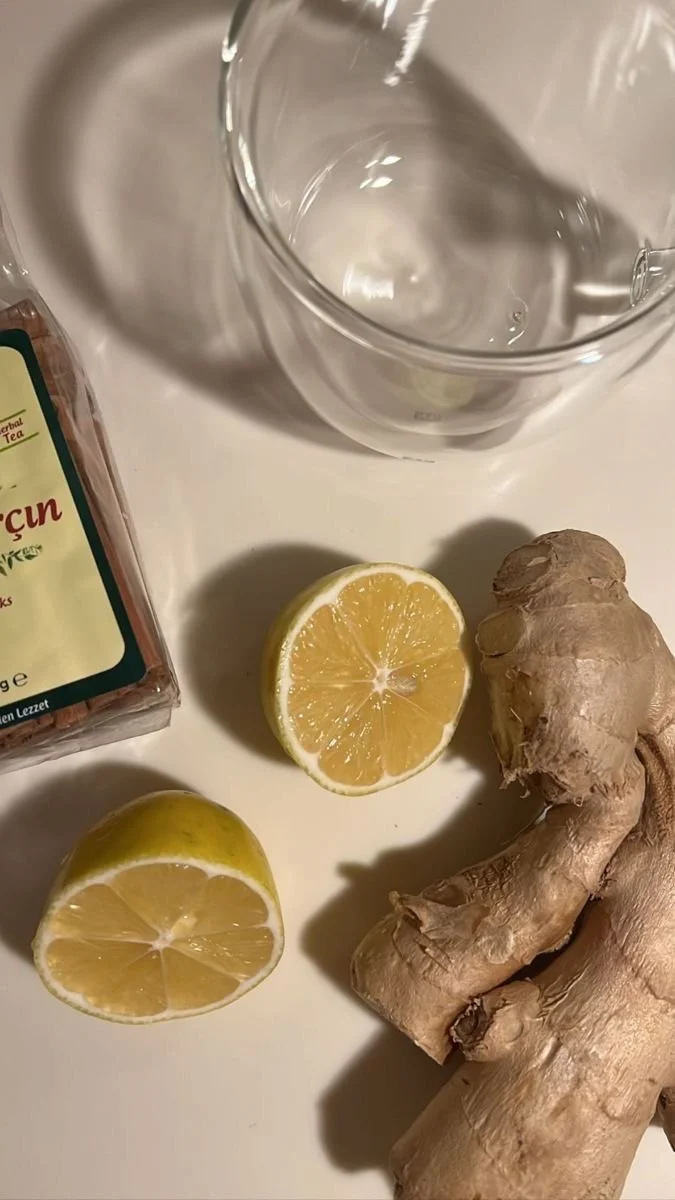
Gut Health Affects Fat Storage
Even with a clean diet, belly fat can stick around if your gut isn’t functioning well. Gut health goes beyond digestion—it shapes how your body stores fat and absorbs nutrients. The catch? Many clean diets still lack the variety your gut needs. Eating the same healthy foods daily can backfire by starving your good bacteria. When your microbiome lacks diversity, fat metabolism slows and cravings increase.
To support gut health, add fermented foods like yogurt or kimchi and rotate your fruits and vegetables often. Prebiotic-rich options like oats, garlic, and bananas help feed beneficial bacteria and improve digestion. A healthier gut means more efficient fat breakdown, better energy use, and fewer cravings. Clean eating helps—but without gut support, progress may stall.

Poor Sleep Confuses Hunger Signals
Getting quality sleep plays a key role in managing weight, especially when aiming to reduce belly fat. Inadequate rest disrupts hormones like ghrelin and leptin, which regulate feelings of hunger and fullness. When those signals become imbalanced, cravings and unplanned snacking often increase.
Over time, poor sleep also affects how the body processes fats and sugars, making fat loss more difficult. Setting a consistent bedtime and creating a calming nighttime routine can support more restful sleep. Stable rest patterns help regulate insulin levels and improve how the body stores and uses energy, making fat management more effective.

Ongoing Inflammation Slows Fat Loss
Low-grade inflammation may not show clear signs but can hold back weight loss. Things like diet, stress, and the environment can play a role. Processed foods and sugary snacks may increase inflammation. Plus, hormone-disrupting chemicals found in some products can affect where and how the body stores fat.
Too much physical stress from over-exercising or not resting enough can also worsen inflammation. This makes it tougher for the body to access stored fat, especially in the belly area. Eating anti-inflammatory foods like berries, leafy greens, and fatty fish can help the body stay healthier and make fat loss more possible.
Losing belly fat after 35 often requires more than clean eating. Hormonal shifts, slower metabolism, poor sleep, and gut imbalances all influence results. Instead of repeating routines that no longer work, focus on what supports the body now. Prioritize whole foods, consistent movement, quality sleep, and variety in the diet. Pay attention to how stress and inflammation affect progress. Small, steady changes create momentum without extreme measures. Progress feels more manageable when strategies align with the body's current needs. Building habits around real-life rhythms leads to lasting change. Fat loss becomes a more realistic goal with the right daily foundation.