
Tuition is climbing, AI is replacing jobs, and graduates are moving back home
There was a time when the formula felt simple. Go to college. Get a degree. Land a job. Build a life. That narrative was sold to an entire generation as the safest bet available. But in 2026, that equation feels shakier than ever. Tuition prices are climbing into six figures. AI is reshaping entire industries overnight. And a growing number of graduates are moving back in with their parents, diplomas in hand, wondering what exactly they paid for.
So we have to ask it plainly - Is it even worth it anymore?
The Price Tag Problem
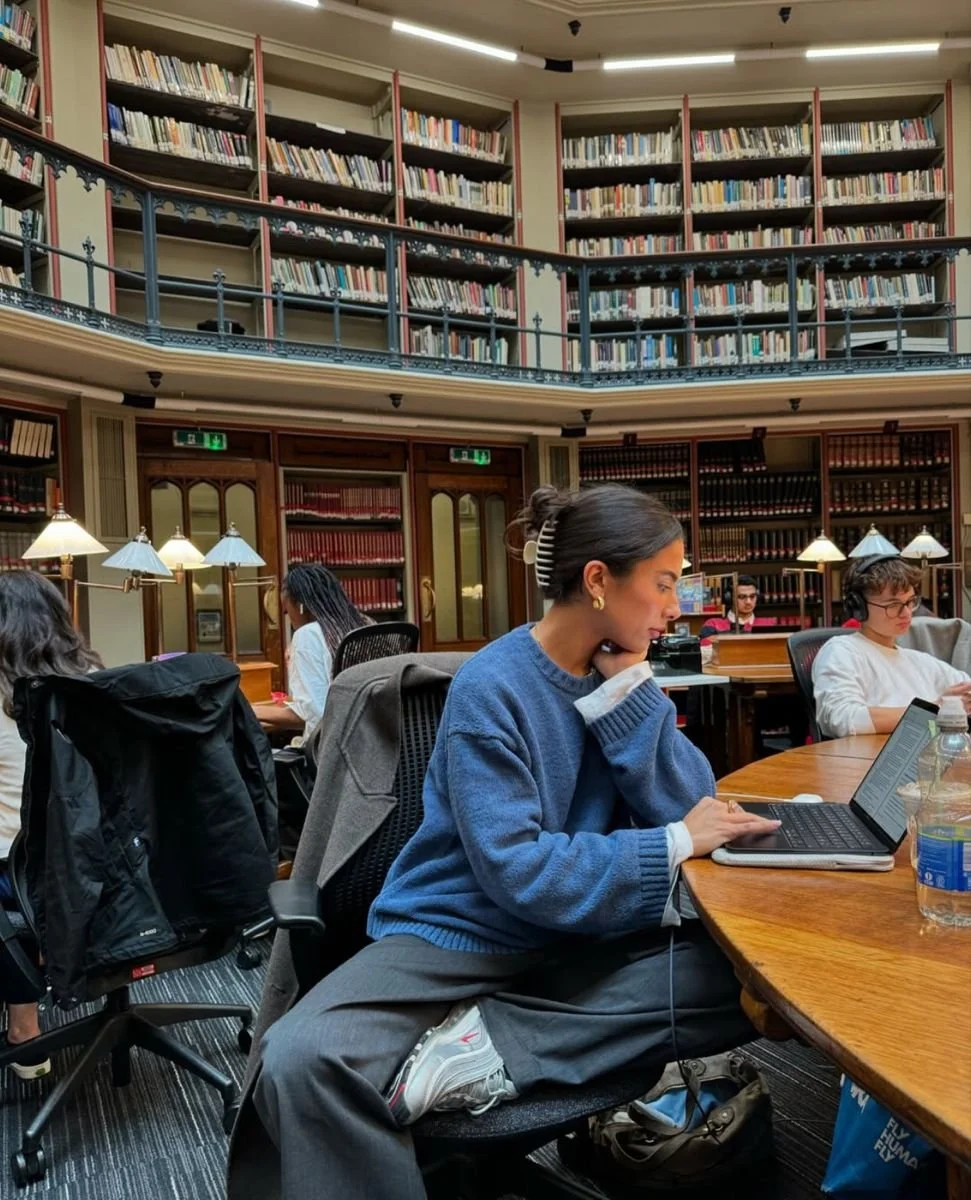
Let’s start with the obvious. College is expensive. Not just expensive in a mildly inconvenient way, but expensive in a “this will follow you for decades” way. Many students graduate with tens of thousands of dollars in debt. Some leave with well over one hundred thousand.
Meanwhile, starting salaries in many fields have not kept pace with inflation, housing costs, or loan repayments. The dream of independence right after graduation has quietly shifted into a reality of roommates, side gigs, and extended stays in childhood bedrooms.
The Employment Reality
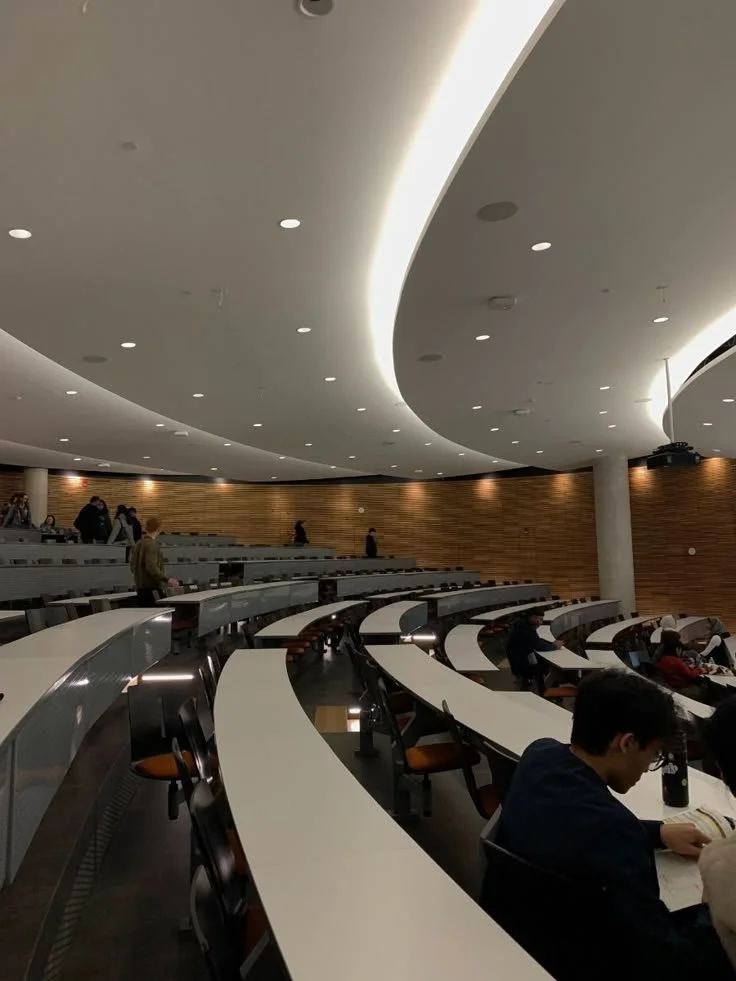
Then there is the job market. A degree was once positioned as a near-guarantee of employability. Now it feels more like a hopeful suggestion. Many graduates struggle to find work in their field. Others discover that entry-level roles require years of experience. And increasingly, AI tools are automating the very white collar jobs that once justified four years of study.
Copywriting. Coding. Design. Finance analysis. Even legal research. Entire industries are being streamlined by machine learning systems that do in seconds what once took hours.
That does not mean education is obsolete. But it does mean the value proposition has changed.

Meanwhile, The Nontraditional Path Is Thriving
At the same time, there is a growing counter narrative. The friend who skipped college and started a landscaping business. The one who launched an e-commerce brand from her bedroom. The YouTuber. The TikTok consultant. The self-taught developer. The digital marketing freelancer.
Some of them are making real money. Enough to rent their own apartments. Enough to travel. Enough to avoid the suffocating weight of loan payments.
It is not that these paths are easy. They are risky, unstable, and require relentless self-discipline. But they are also immediate. You earn while you build. You fail fast. You pivot faster.
And for many, that feels more logical than betting four years and six figures on a promise that may not deliver.
The Data Is Not One Sided
To be fair, long-term data still suggests that, on average, college graduates earn more over their lifetime than those without degrees. Debt-adjusted earnings studies continue to show that higher education can pay off financially over decades, particularly in specialized fields like healthcare, engineering, and law.
Community colleges are gaining traction. Trade programs are resurging. Some universities are experimenting with shorter, more practical degrees.
The story is not black and white.
But averages do not always comfort individuals staring at a monthly loan bill larger than their car payment.

The AI Factor Changes Everything
What makes this moment feel different is artificial intelligence. We are not just debating cost. We are debating relevance.
If AI can assist in coding, drafting legal briefs, designing logos, and writing marketing plans, what exactly are we paying to learn? Should students be spending years memorizing frameworks that software can execute instantly?
Or should college evolve into something else entirely, teaching critical thinking, adaptability, ethics, and human creativity in a way machines cannot replicate?
This is not an argument against education. It is an argument for rethinking what education looks like in a machine augmented world.
Prestige Versus Practicality
Another uncomfortable truth is that where you go to college often matters less than we were told. Prestige can open doors, but many employers now prioritize skills, portfolios, and real world experience over brand name degrees.
Online certifications. Bootcamps. Apprenticeships. Micro credentials. These alternatives are growing because they are targeted and often cheaper.
If the goal is employment, families are beginning to ask whether the traditional four-year campus experience is the most efficient route.

So What Is The Answer
College is not universally worthless, but it is no longer universally wise.
For some careers, it remains essential. For others, it may be optional. For many, it may need to look different, shorter, more affordable, more skill-driven.
The real shift is psychological. We are finally questioning a system that was once considered untouchable.
And maybe that is healthy.
Choosing college today requires strategy, not autopilot. It requires asking hard questions about ROI, debt tolerance, career goals, and alternative paths. It requires honesty about privilege and safety nets.
The goal is not to shame anyone for going, or not going. It is to widen the conversation beyond “of course you have to.”
The boldest move might not be following the old formula. It might be building a new one.