
Are We Living or Just Curating Our Lives On social media?
How social media turned everyday life into a constant performance?
There was a time when you could go to dinner and simply eat. Now you go to dinner and assess the lighting. You tilt the glass. You move the candle. You take the photo before the first bite. You tell yourself it is harmless. And maybe it is. But somewhere along the way, documenting became inseparable from experiencing. The question is no longer whether social media affects how we live. It is whether we are still living first, and posting second.
“But when everything is styled, filtered, and packaged, it becomes difficult to tell where the moment ends and the performance begins.”
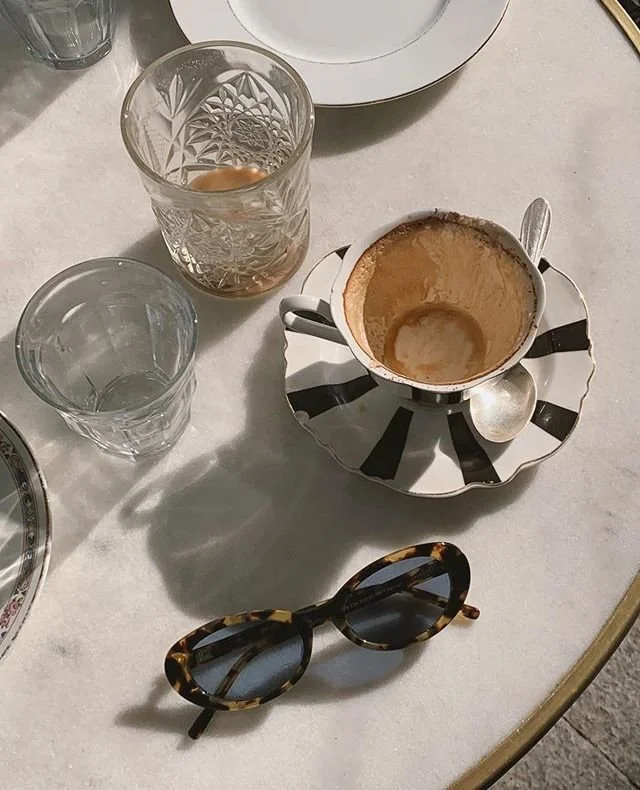
The Era of Aesthetic Everything
Nothing is allowed to just be anymore. A breakup is a healing journey. A morning coffee is a ritual. A weekend alone becomes solo date energy. Even burnout has a vibe. We have aestheticized grief, anxiety, productivity, and rest.
There is something creative about this. Turning ordinary life into art is not inherently bad. But when everything is styled, filtered, and packaged, it becomes difficult to tell where the moment ends and the performance begins. We are not just participating in our lives. We are editing them in real time.

The Algorithm Lives in Our Heads
The real shift is not that we post. It’s that we anticipate posting. The algorithm has quietly moved from our phones into our decision making.
We think:
Is this picture worthy?
Does this align with my personal brand?
Will this look good on my grid?
Even people who claim to hate social media curate in subtler ways. LinkedIn updates. Carefully worded captions. Soft launches of relationships. Strategic vulnerability. We are all managing optics now.
And that constant awareness is exhausting.
“...you cannot be present if you are directing.”
Confidence or Performance Fatigue?
Gen Z was encouraged to romanticize life. Always stand out. Make it cinematic. On the surface, that feels empowering. But you cannot be present if you are directing.
When everything is framed like a scene, spontaneity becomes rare. You start optimizing instead of feeling. You become hyper aware of how you look while living instead of how you feel while living.
The irony is that the pursuit of confident energy often leads to background character exhaustion. You are performing confidence instead of experiencing peace.
“A quiet life that depends on public validation is not entirely quiet.”
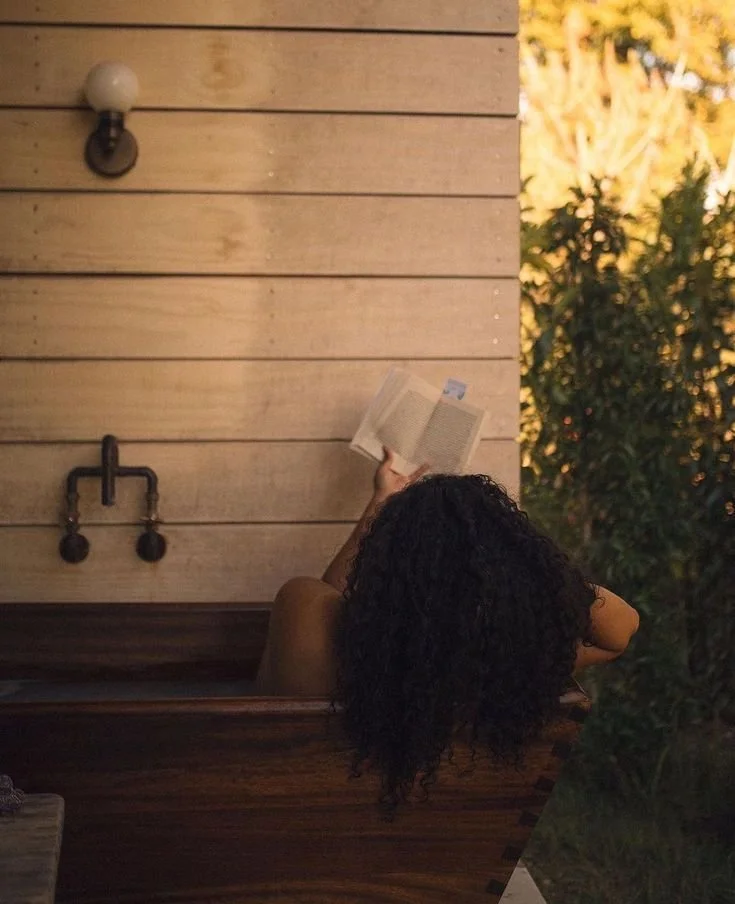
The Soft Life Illusion
The soft life trend promised rest, luxury, and ease. But slow living that requires constant documentation is not slow living. It’s productivity in neutral tones.
A peaceful morning that must be filmed, edited, and uploaded is not entirely peaceful. A quiet life that depends on public validation is not entirely quiet.
We say we want less pressure, yet we add pressure to our downtime. We curate our rest as if it, too, must prove something.
“If every moment is shared, what belongs only to you?”
What Are We Afraid Of
Underneath the curation is fear. Fear of being irrelevant, fear of being unseen, fear of missing out, fear that if we do not document something, it somehow did not count.
But some of the most meaningful experiences in life are the ones no one witnesses. The conversation that changes you. The day you stay in bed and cry. The small decision that shifts your direction.
If every moment is shared, what belongs only to you?
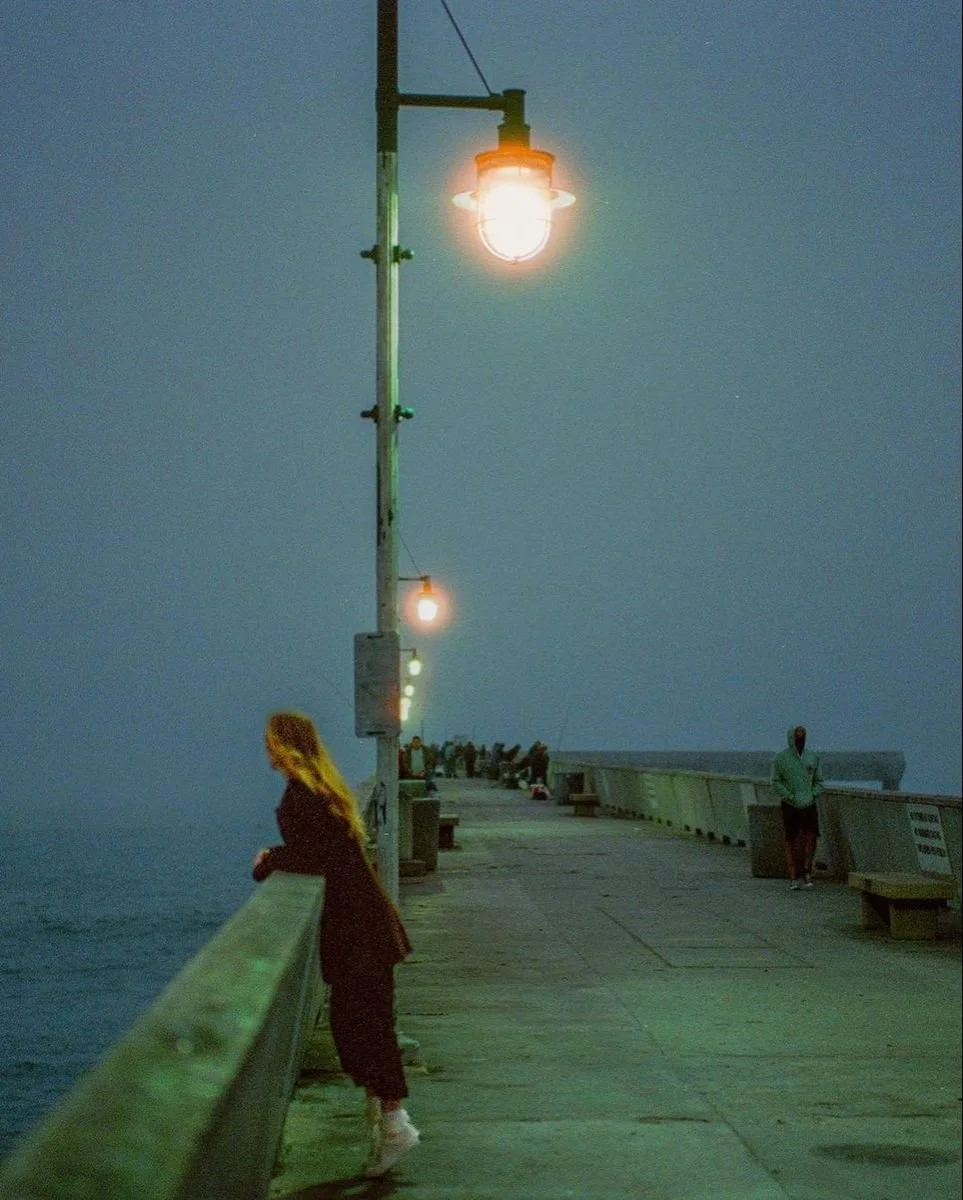
The Loneliness of Always Being On
There is a quiet loneliness that comes from constantly managing perception. When you are always thinking about how your life looks, you have less space to sit inside it.
We scroll and see everyone else thriving. We respond by refining our own image. It becomes a loop of projection and comparison.
And yet, the more polished everything becomes, the more disconnected we often feel. Because curated life is controlled life. And controlled life rarely allows for vulnerability.
So What Does Living Look Like Now?
Living might look like doing something without proof. Going somewhere without a post. Keeping a relationship offline. Failing privately. Celebrating quietly.
It might look like resisting the urge to turn every milestone into content. It might look like letting moments pass without documentation.
This does not require deleting your accounts or abandoning creativity. It requires awareness. It requires asking yourself, am I enjoying this or am I preparing to present it?
The Balance We Have Not Mastered
Social media is not inherently toxic. It has created community, opportunity, and income streams. It has allowed people to tell stories that would otherwise remain unheard.
But when self expression becomes self surveillance, something shifts.
We are the first generation to grow up with a permanent audience. That changes how we move through the world. It changes how we measure success. It changes how we define authenticity.
Maybe the real rebellion is not quitting social media. Maybe it is choosing moments that are yours alone, because a life fully optimized for visibility might look beautiful from the outside, but a life that is deeply lived feels different from the inside. And maybe that difference is everything.