
5 Books You Need To Read To Give your intellect a Major Glow Up
The reads that make you think sharper, deeper, and just a little differently…
There’s a difference between reading to pass time and reading to actually shift something in your mind. The kind of books that leave you thinking about them days later. The ones that quietly rewire how you see people, power, history, and even yourself.
An intellectual glow up is not about sounding smarter. It’s about thinking more clearly, asking better questions, and noticing things you used to overlook. The right books do that without forcing it. They expand your perspective in a way that feels natural, not performative.
If you have been craving depth, curiosity, or just a break from surface-level content, these five books are where to start.
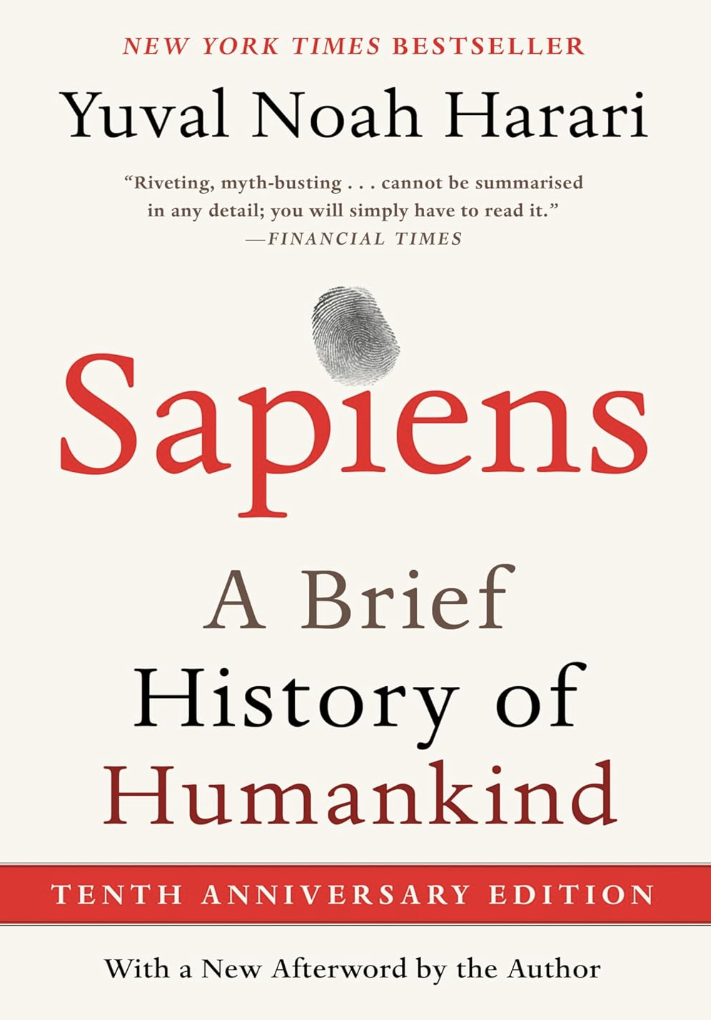
Sapiens by Yuval Noah Harari
This is the book that makes you zoom all the way out. Harari breaks down the history of humankind in a way that feels surprisingly digestible, connecting everything from early survival instincts to modern capitalism. It challenges what you think is “normal” and forces you to question systems you’ve always accepted.

Emotional Alchemy by Max Öchsner
Emotional Alchemy is more than just a self-help book. It is an honest, clear, and profound companion on your journey toward a more conscious relationship with your emotions and feelings. Instead of suppressing or ignoring them, this book shows you how to understand, transform, and harness them as a source of strength. Drawing on modern psychology and proven self-development methods, you will learn to break down complex concepts into simple, practical steps for building lasting emotional resilience in everyday life.

Status Anxiety by Alain de Botton
Anyone who’s ever lost sleep over an unreturned phone call or the neighbor’s Lexus had better read Alain de Botton’s irresistibly clear-headed new book, immediately. For in its pages, a master explicator of our civilization and its discontents explores the notion that our pursuit of status is actually a pursuit of love, ranging through Western history and thought from St. Augustine to Andrew Carnegie and Machiavelli to Anthony Robbins.
Whether it’s assessing the class-consciousness of Christianity or the convulsions of consumer capitalism, dueling or home-furnishing, Status Anxiety is infallibly entertaining. And when it examines the virtues of informed misanthropy, art appreciation, or walking a lobster on a leash, it is not only wise but helpful.
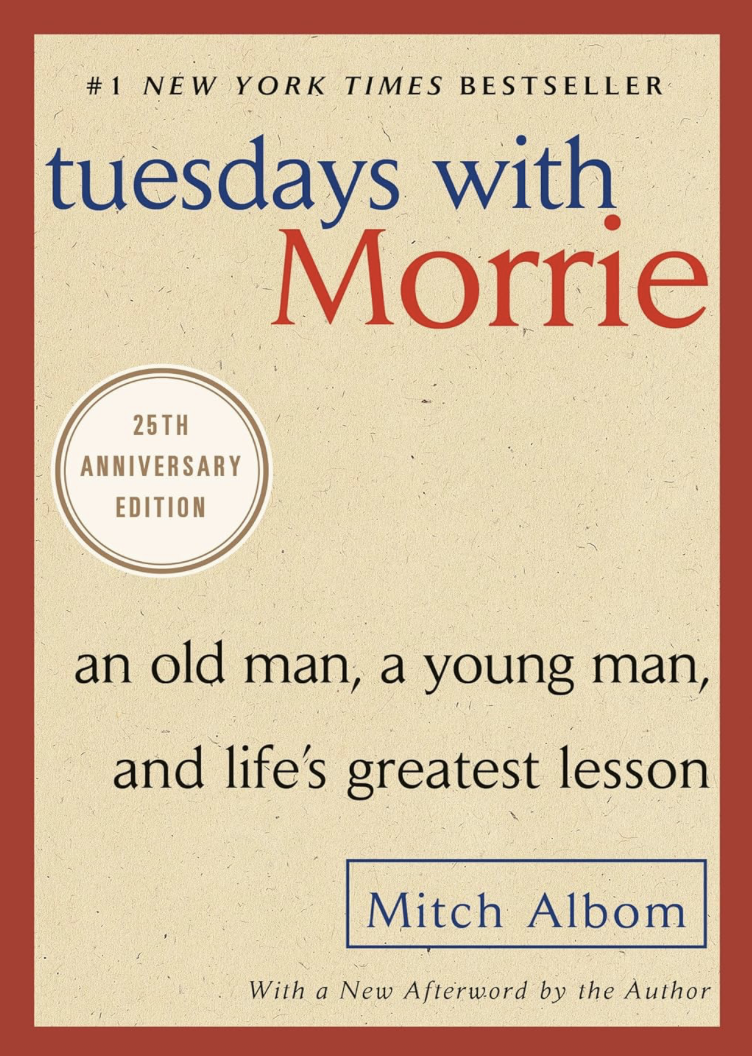
Tuesdays With Morrie
Maybe it was a grandparent, or a teacher, or a colleague. Someone older, patient and wise, who understood you when you were young and searching, helped you see the world as a more profound place, gave you sound advice to help you make your way through it.
For Mitch Albom, that person was his college professor Morrie Schwartz.
Maybe, like Mitch, you lost track of this mentor as you made your way, and the insights faded, and the world seemed colder. Wouldn’t you like to see that person again, ask the bigger questions that still haunt you, receive wisdom for your busy life today the way you once did when you were younger?
Mitch Albom had that second chance. He rediscovered Morrie in the last months of the older man’s life. Knowing he was dying, Morrie visited with Mitch in his study every Tuesday, just as they used to back in college. Their rekindled relationship turned into one final “class”: lessons in how to live. “The truth is, Mitch,” he said, “once you learn how to die, you learn how to live.”
Tuesdays with Morrie is a magical chronicle of their time together, through which Mitch shares Morrie’s lasting gift with the world.
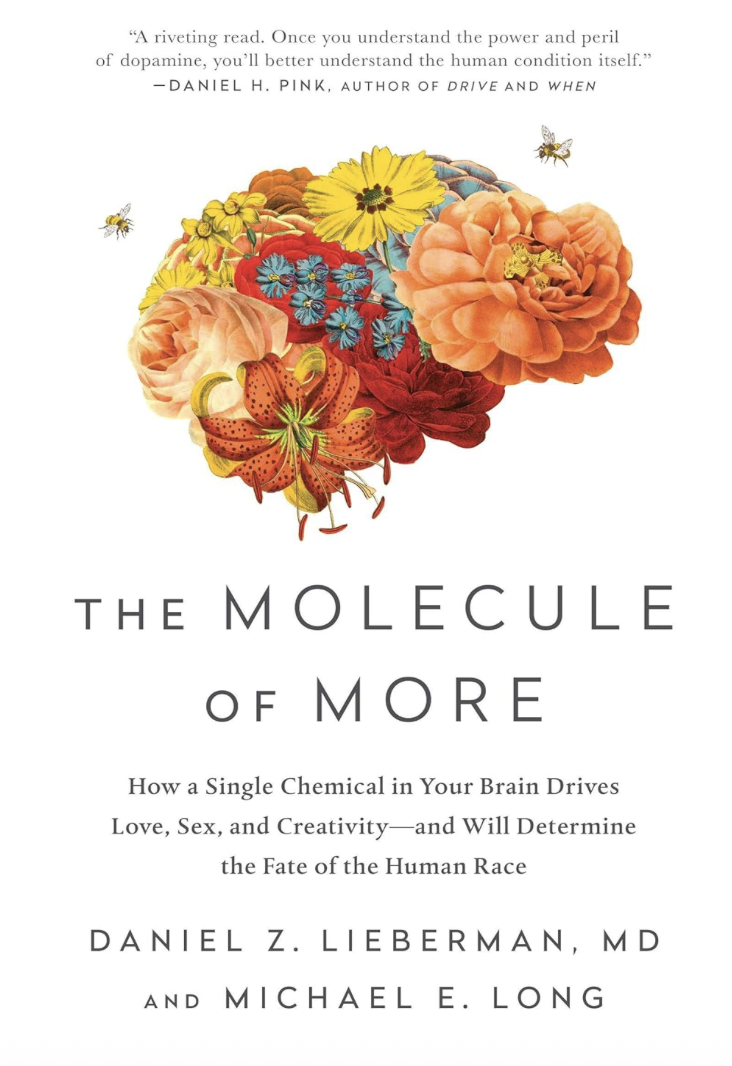
The Molecule Of More
From dopamine’s point of view, it’s not the having that matters. It’s getting something - anything - that’s new. From this understanding - the difference between possessing something versus anticipating it - we can understand in a revolutionary new way why we behave as we do in love, business, addiction, politics, religion - and we can even predict those behaviors in ourselves and others.
In The Molecule of More: How a Single Chemical in Your Brain Drives Love, Sex, and Creativity—And will Determine the Fate of the Human Race, George Washington University professor and psychiatrist Daniel Z. Lieberman, MD, and Georgetown University lecturer Michael E. Long present a potentially life-changing proposal: Much of human life has an unconsidered component that explains an array of behaviors previously thought to be unrelated, including why winners cheat, why geniuses often suffer with mental illness, why nearly all diets fail, and why the brains of liberals and conservatives really are different.