
Why Ultrasonic Facial Machines Are Driving Repeat Bookings in 2026
Repeat bookings grow from services clients understand, feel comfortable scheduling, and can return to on a predictable timeline. In 2026, ultrasonic facial machines have moved into a central role on aesthetic menus because they are easy to explain, low-disruption, and aligned with visible goals like smoother texture and brighter tone that clients want to maintain consistently.
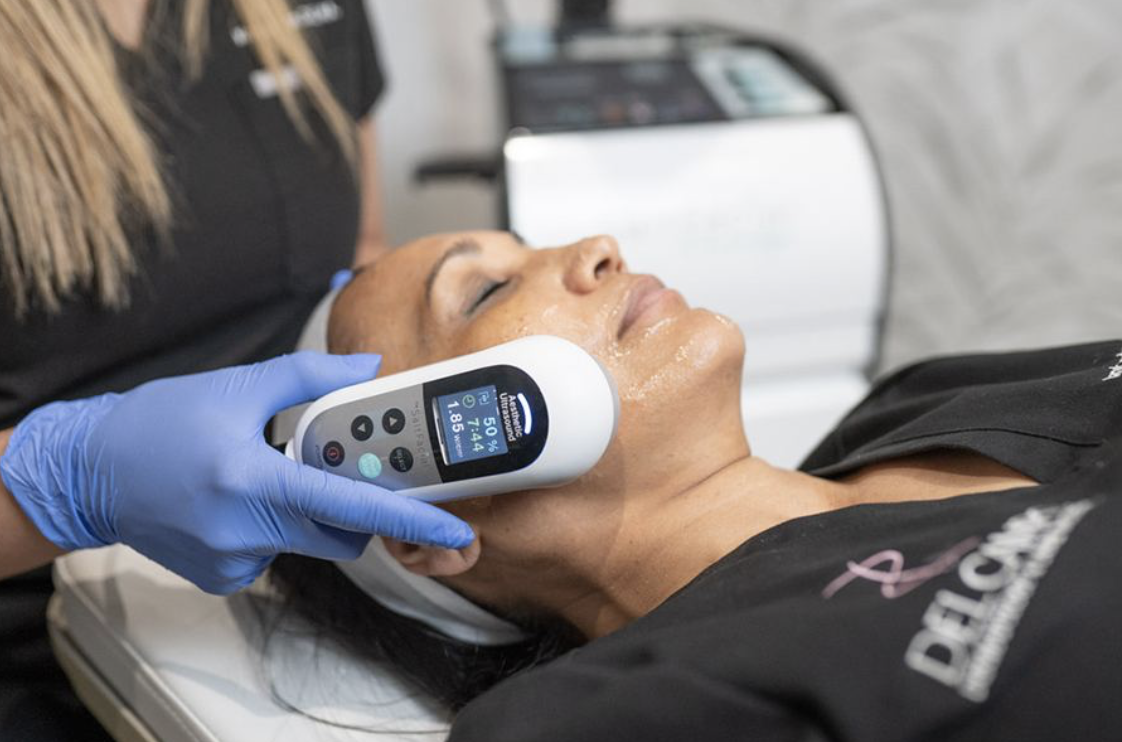
For practices focused on retention and room productivity, ultrasound supports structured treatment planning instead of one-time upgrades. It fits cleanly into three- and six-visit protocols, pairs with serums or LED without extending appointment time, and works naturally inside memberships. Defined cadence, preset documentation, and tracked rebooking rates turn the service into a recurring revenue source instead of an occasional add-on.
Repeat Revenue Engine
A predictable cadence turns an ultrasonic facial machine from an occasional upgrade into a scheduled maintenance service. Presenting it during the first consultation with a defined four-week interval aligns with natural skin turnover cycles and makes timing feel practical rather than optional. Three- and six-visit series tied to measurable checkpoints, such as texture grading or tone comparison, create structure clients can follow without confusion.
Including one ultrasonic session inside a membership tier stabilizes monthly utilization and reduces reliance on last-minute promotions. Tracking forward-booking rates by provider and aiming for 70–80 percent reappointment before checkout keeps gaps visible early. Simple dashboard reviews each week allow managers to correct timing drift before it affects monthly production totals.

Clinical Results That Reinforce Return Visits
Ultrasound performed after exfoliation works on a clearer surface, allowing consistent glide time and uniform coverage across the treatment area. Standardizing session length to 30 minutes and maintaining fixed intensity ranges reduces variability between providers. Clients typically report smoother texture within several days, which supports confidence in staying on a defined treatment interval.
Serum selection should directly reflect the stated objective, such as elasticity focus or barrier repair, using peptide complexes or growth-factor blends selected for post-treatment compatibility. Capturing high-resolution photos every third visit at the same camera distance and lighting creates a visual record that grounds progress discussions in documented surface change rather than memory.
Operational Leverage Without Schedule Strain
Thirty- to 45-minute ultrasound appointments fit neatly between injectables, consults, and longer facial blocks, so rooms stay active without forcing a full schedule redesign. Because the service has consistent timing and low prep, it works well for filling short gaps that would otherwise sit empty. Many teams treat it as a dependable midweek option when demand is softer, keeping daily production steadier without adding stress to providers or support staff.
A 10- to 15-minute ultrasound add-on can lift the per-visit total on core facials while keeping checkout and turnover predictable. Cross-training matters here, since multiple providers using the same device presets prevents one person from becoming the bottleneck when clients rebook. When the service is positioned as low-risk and comfortable, it supports higher room value while protecting the flow of the day.

Technology-Backed Market Differentiation
Listing FDA-cleared ultrasound on a treatment menu signals regulatory review and device standardization, which can influence comparison decisions in competitive areas. Clear descriptors such as non-thermal and non-invasive help set accurate expectations for comfort and recovery time. Stating suitability across Fitzpatrick skin types I–VI broadens appeal without expanding risk exposure.
Search visibility improves when service pages pair “ultrasound facial” with plain-language terms like zero downtime and gradual skin refinement in headings and FAQs. A concise front-desk script that explains expected sensation and timeline to visible smoothing supports consistent messaging across inquiries, strengthening brand clarity rather than relying on discounts.
Measured Financial Impact
Evaluating ultrasound begins with a defined baseline, such as revenue per treatment room per day across a 60- to 90-day window before introduction. Comparing that figure to post-rollout performance under identical staffing levels reveals whether the service fills idle time, increases average ticket size, or contributes to both.
Monitoring 90-day client retention alongside retail attachment rates provides insight into behavioral change beyond single-visit revenue. Calculating revenue per provider hour by protocol type identifies which combinations maintain pace without extending appointment length, supporting data-based adjustments to pricing, scheduling blocks, or package structure.
Ultrasonic facial machines earn their place on the schedule when they are treated as a planned service rather than a spontaneous upgrade. Clear treatment intervals, preset device parameters, and consistent progress documentation give clients confidence in what comes next. Series packaging and membership inclusion make future visits feel structured instead of optional. Tracking rebooking rates, 90-day retention, revenue per room, and revenue per provider hour keeps performance visible. When cadence, communication, and measurement stay aligned, ultrasound supports steady retention, predictable cash flow, and a smoother daily schedule for the entire team across all departments involved.