
An honest conversation about heartbreak, hype, and what we wanted from the moors…
No one walked into the new Wuthering Heights expecting a lighthearted love story. But I don’t think many of us expected to walk out feeling emotionally concussed either. The Margot Robbie and Jacob Elordi adaptation has sparked everything from “this ruined my week” posts to full-blown existential spirals on Reddit. Critics called it cold. Audiences called it depressing. Some called it beautiful. And a surprising number of people said it left them feeling genuinely unwell. So what exactly happened?
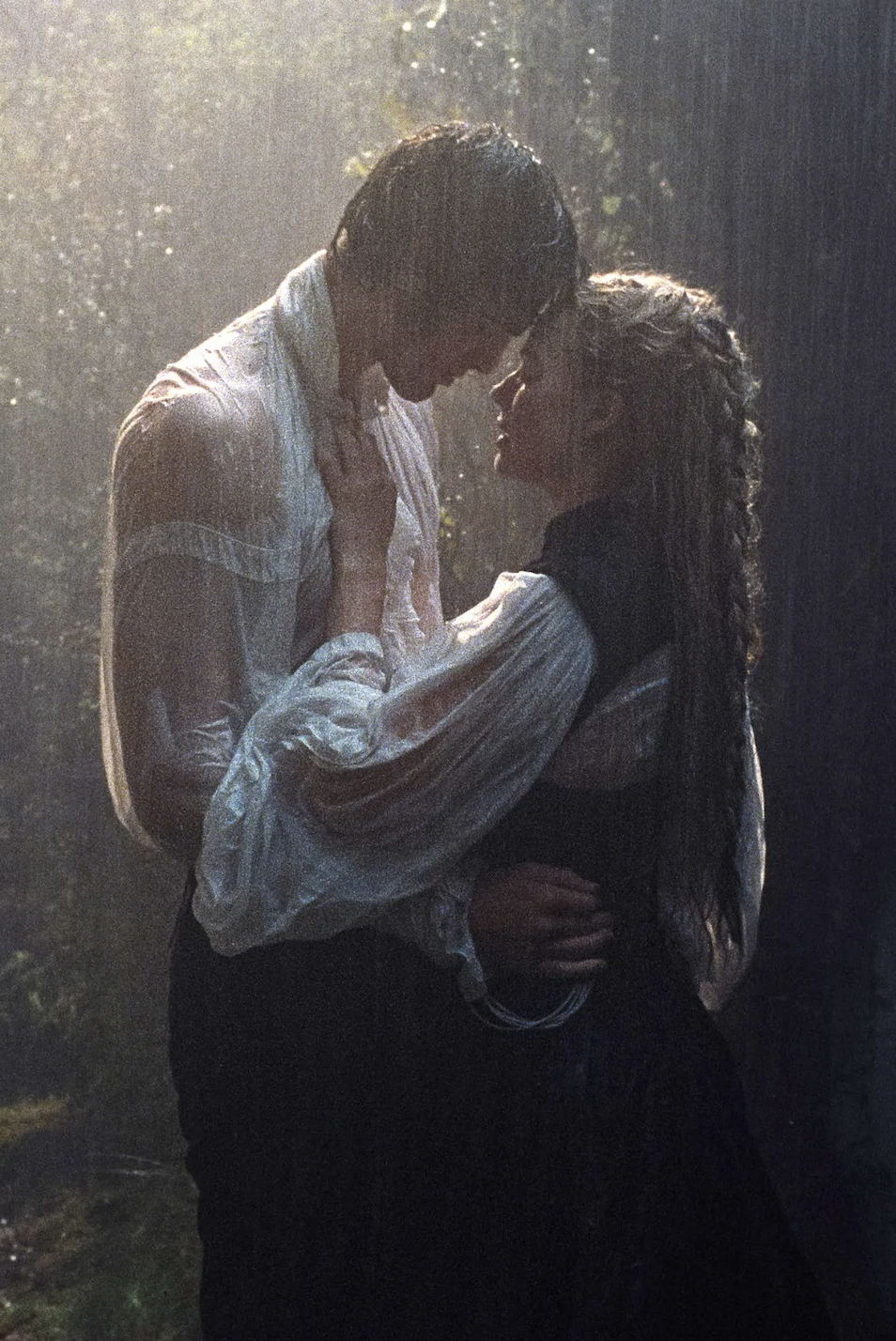
We Wanted Romance. We Got Obsession.
Part of the backlash feels like a cultural misunderstanding. For years, Wuthering Heights has been packaged as brooding romance. Heathcliff and Catherine are sold to us as tortured soulmates. Stormy love. Epic devotion. Windswept longing.
But the truth is this story has never been romantic in a comforting way. It is about obsession. Revenge. Emotional cruelty. Emerald Fennell’s adaptation leans into that darkness instead of softening it. There are no glossy edges here. No cinematic cushion to make it easier to digest. It is raw and uncomfortable, and it refuses to reassure us.
And maybe that is what shocked people most.
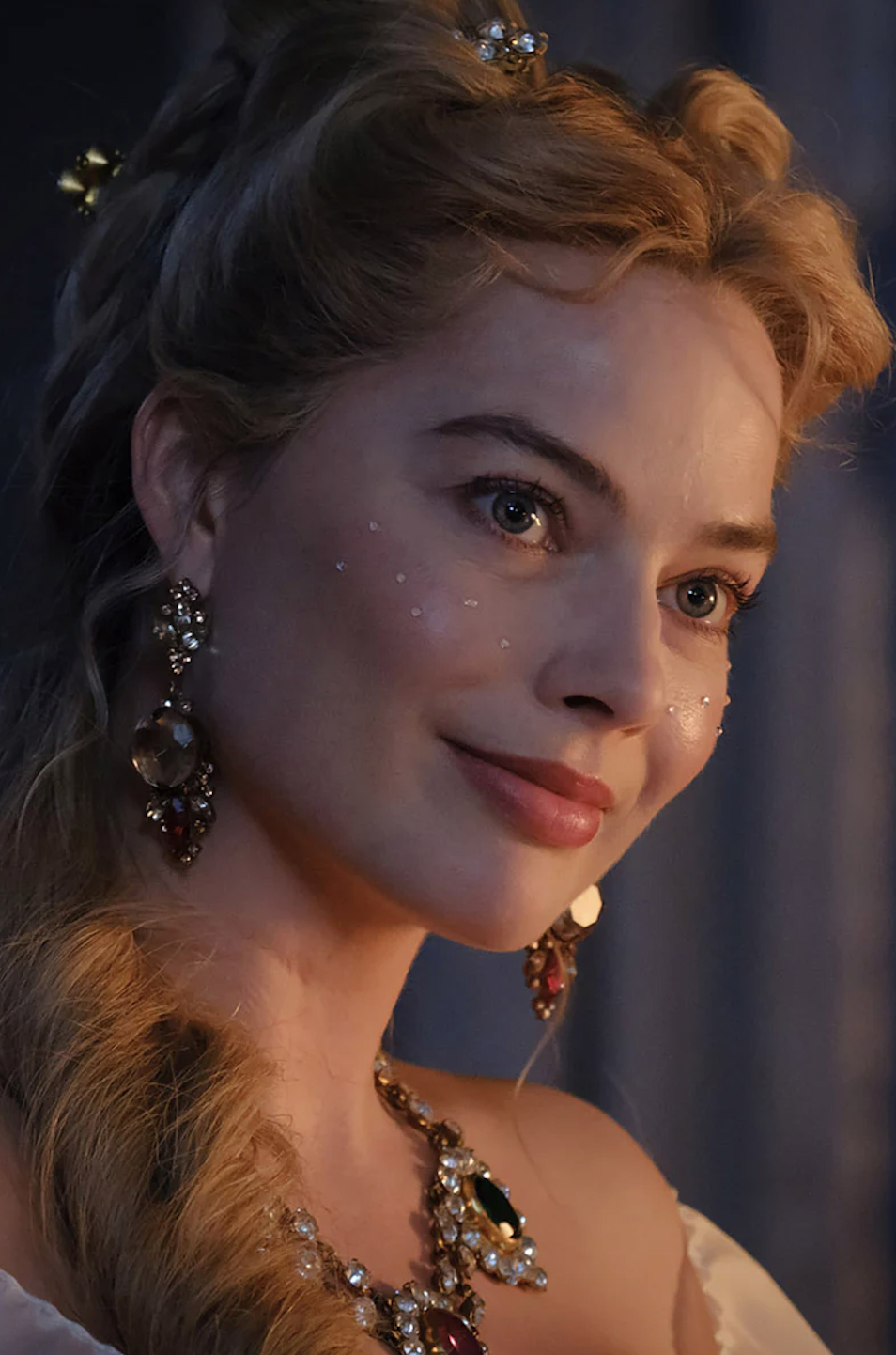
The Margot Robbie Expectation Problem
Margot Robbie carries a certain energy. Even when she plays chaotic characters, there is charisma. There is electricity. Many viewers walked in expecting something glamorous and tragic in a sweeping, almost poetic way.
Instead, we got something emotionally claustrophobic. Robbie’s Catherine feels fractured, volatile, at times almost self-destructive in a way that is hard to romanticize. Jacob Elordi’s Heathcliff is less fantasy antihero and more deeply wounded, quietly terrifying presence.
The chemistry is there, but it is not comforting. It is suffocating.
And in a cultural moment where audiences crave escapism, suffocation hits differently.
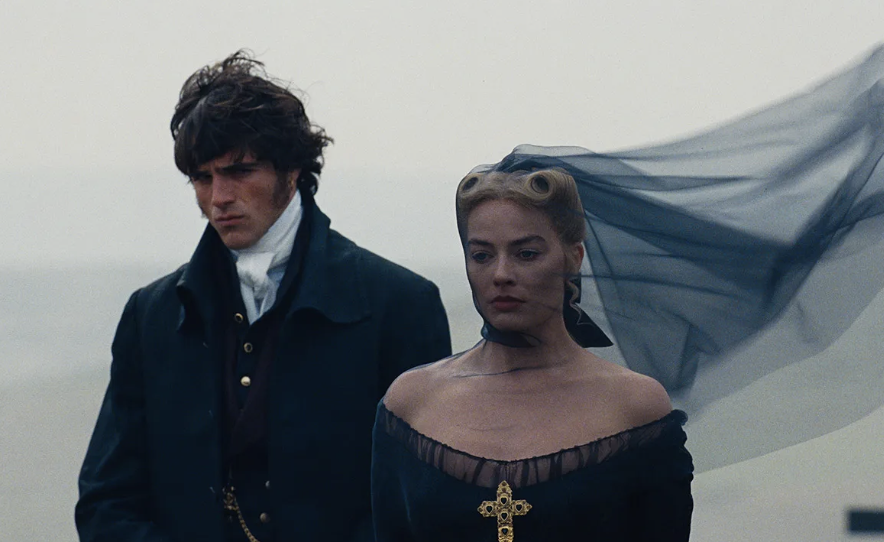
The Depression Debate
Some viewers online have said the film left them in a genuinely low mood. That it lingered. That it felt heavy in a way they did not expect. Others rolled their eyes and said, well, it’s Wuthering Heights. What did you think it was going to be?
But here is the thing. We live in an era of curated darkness. Aesthetic melancholy. Sad girl playlists that still somehow feel glamorous. This film is not aesthetic sadness. It is grief without polish. Love without redemption.
It does not reward the viewer with closure. It does not give you a cathartic release. It simply ends.
And that can feel destabilizing.
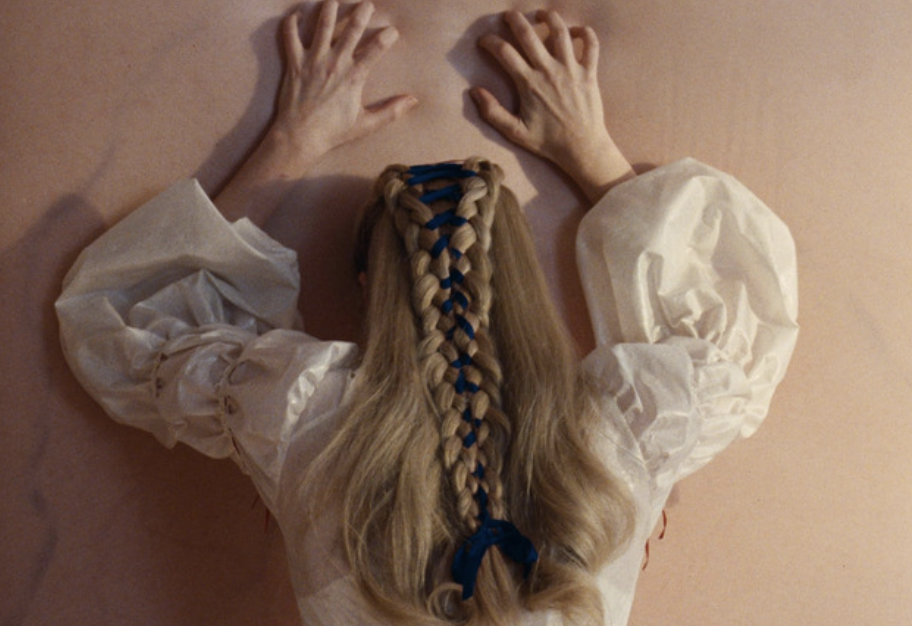
Was It Actually Bad?
The criticism has been loud. Some reviews called it emotionally flat. Others argued it never quite reaches the psychological depths it promises. Box office numbers have been respectable but not euphoric.
But calling it “bad” might be missing the nuance. It is not crowd-pleasing. It is not cozy. It is not trying to be.
It is a film that demands you sit with discomfort.
And that is a harder sell than it used to be.
What This Says About Us
The reaction to Wuthering Heights says less about the film and more about what we want from stories right now. We want love stories that heal. We want longing that leads somewhere. We want darkness that feels stylish, not destabilizing.
But Emily Brontë never promised that.
This adaptation may not be perfect. It may not be everyone’s favorite. But the idea that art should never unsettle us feels more concerning than a moody film ever could.
Maybe we did not need a comforting Wuthering Heights.
Maybe we just forgot what it actually is.