
Emma Grede’s Advice Sounds Powerful Until You Remember Most Women Live in the Real World
The problem with success advice built far above ground level.
Emma Grede knows how to build businesses. That part is not up for debate. As the force behind billion-dollar brands and one of the most visible women in entrepreneurship, she has earned attention. But attention and relatability are not the same thing.
During the press tour for her new book Start With Yourself: A New Vision for Work & Life, Grede reignited backlash with comments around motherhood, work from home culture, and what women should expect from themselves. Her now-viral “three-hour mom” framing especially struck a nerve. And it should have.
Because the issue is not that women dislike discipline, ambition, or accountability. The issue is that too much modern success advice asks women to optimize themselves around systems that were never designed for them in the first place.
The Fantasy of Infinite Capacity
Many women listening to this kind of advice are not underperforming. They are overextended.
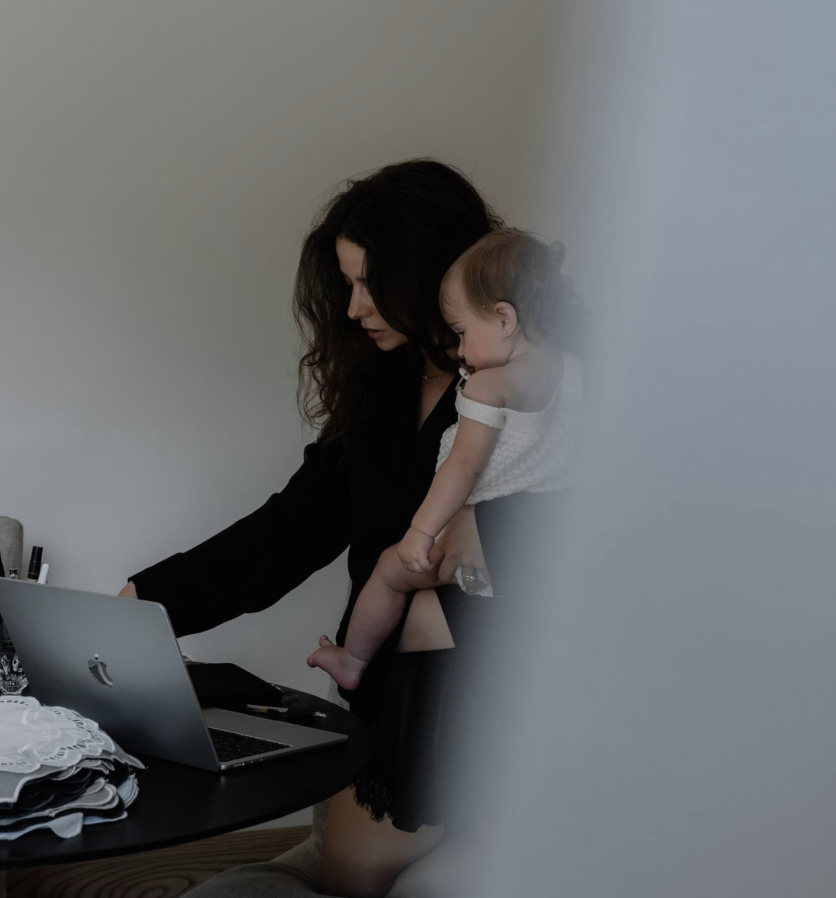
They are running businesses while answering school emails. Managing client deadlines while reheating dinner. Taking Zoom calls while mentally carrying the household calendar. Working from home while being expected to function like they are not at home.
So when high-profile founders suggest that women simply need better standards, sharper boundaries, or more personal ownership, it can feel deeply disconnected from reality.
The average woman does not have unlimited childcare, household support, executive assistants, private drivers, or the ability to outsource every friction point in life. Many are carrying two and three full-time roles at once.
This is not a mindset issue. It is a bandwidth issue.
The “Three Hour Mom” Problem
The backlash to Grede’s comments about being a “three-hour mom” was not about shaming working mothers. It was about what the statement symbolized.
Women already live under crushing pressure to be exceptional at everything. Present mother. High performer. Attractive partner. Emotionally available friend. Healthy person. Productive entrepreneur.
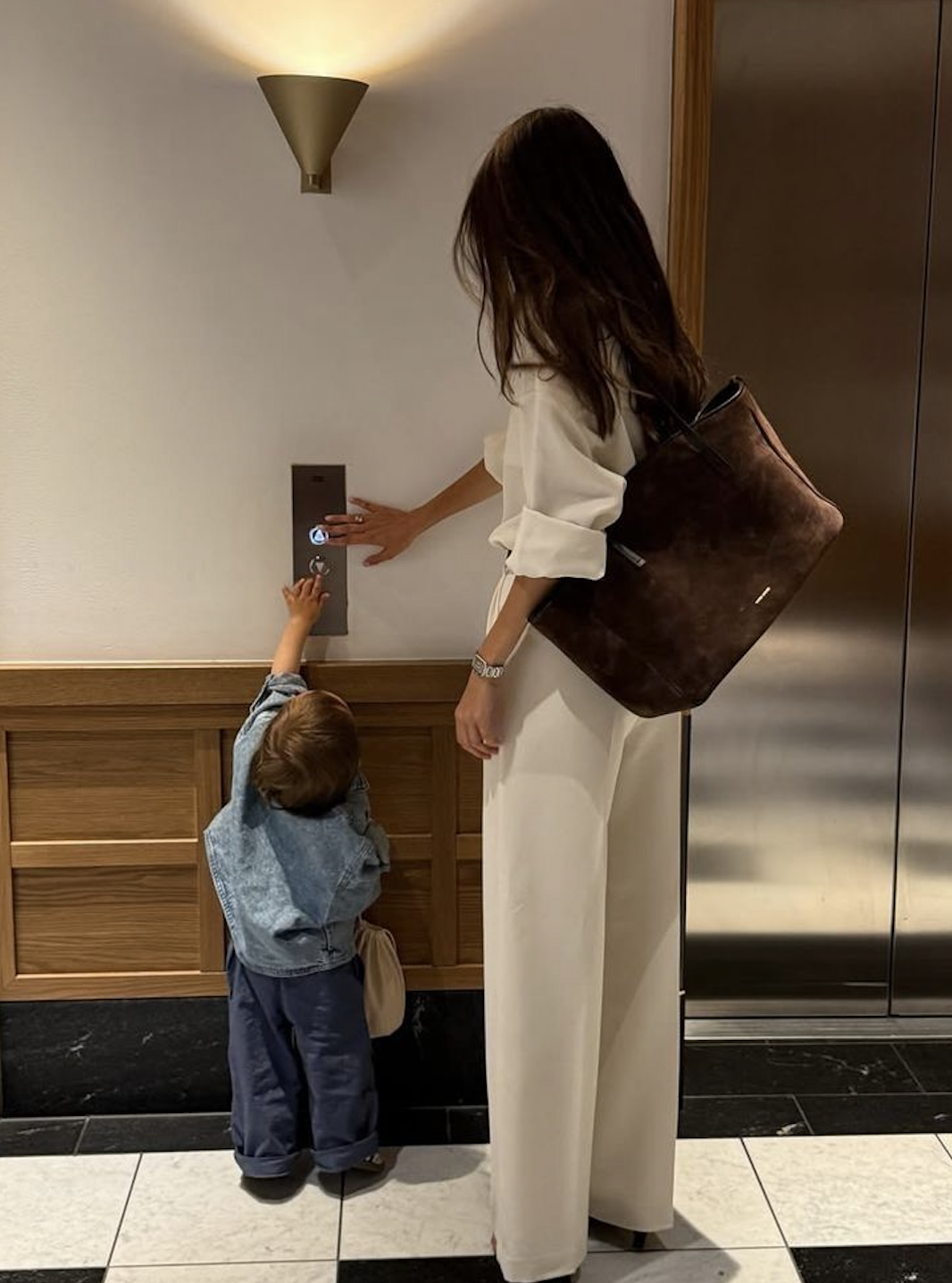
To then casually frame motherhood in hourly efficiency terms landed poorly because many women know motherhood does not work that way. Parenting is not only scheduled quality time. It is invisible labor. Emotional labor. Mental load. Constant presence, even when you are not physically in the room.
And for working mothers without layers of support, hearing elite productivity framing applied to caregiving can feel less inspiring and more insulting.

Work From Home Is Not the Enemy
Grede also received criticism for remarks that appeared dismissive of work from home culture. That matters because for many women, remote work has been one of the few modern workplace shifts that actually improved life.
Work from home gave mothers flexibility. It gave women freedom from performative office culture. It gave many people back commuting hours, wardrobe expenses, and the ability to integrate life more humanely.
Is remote work perfect? No.
But portraying it as laziness, lower standards, or cultural decline ignores how many women finally found breathing room through it.
For women building businesses from home, freelancing from home, consulting from home, or raising children while working from home, remote work has often been the difference between participation and dropping out entirely.
That is not weakness. That is adaptation.
Success Advice Often Confuses Resources With Discipline
This is where many elite founder narratives go wrong. They present outcomes as mindset. But often, outcomes are supported by resources.
The ability to focus deeply may come from paid childcare. The ability to work late may come from domestic support. The ability to scale fast may come from elite networks, access to capital, and brand proximity.
None of that invalidates success. But it should contextualize it.
When resources are disguised as discipline, women without those same advantages are made to feel personally deficient for structural realities. That is not empowerment. That is distortion.
Women Don’t Need More Pressure
There is an entire industry built around telling women to do more, optimize more, sacrifice more, wake up earlier, and want it more. But many women are not failing because they lack ambition.
They are exhausted because they have too much ambition packed into systems with too little support.
Small business owners know this intimately. The founder handling marketing, payroll, content, customer service, family logistics, and emotional resilience does not need another lecture on standards. She needs margin. She needs support.
She needs realistic narratives that acknowledge what modern women are actually carrying.
What Better Leadership Could Sound Like
Imagine if Emma’s success messaging sounded like this:
You don’t need to do everything at once.
You are allowed to build slower.
Support is not cheating.
Rest is productive.
Flexibility matters.
Seasons of life change capacity.
Success should fit your life, not consume it.
That kind of leadership would resonate because it reflects truth. The smartest women I know are not trying to become machines. They are trying to build meaningful lives without burning themselves to the ground.

The Real Aha Moment
The most dangerous myth in entrepreneurship is that if something feels impossible, you must be doing it wrong. Sometimes it feels impossible because it is too much. Because the load is too heavy. Because the culture keeps praising unsustainable standards. Because women are expected to compensate privately for what society refuses to support publicly.
That is why Grede’s message triggered so many people. Not because women hate successful women. But because many are tired of being handed impossible templates and told they are empowering.
Emma Grede’s story may be valuable. Her discipline may be real. Her accomplishments are undeniable. But advice becomes powerful only when it meets people where they are. And right now, millions of women do not need another invitation to stretch further. They need permission to stop mistaking overextension for excellence.