
Fast Fashion Is Dying, But Are We Actually Shopping Better?
Everyone says they care about sustainability… but do they really?
Fast fashion has never been more criticized, or more consumed. Scroll through any social platform and you’ll find conversations about sustainability, overconsumption, and the environmental cost of cheap clothing. The awareness is there. The documentaries, the exposés, the think pieces, they’ve all done their job. But here’s the uncomfortable question: if we all know better, why hasn’t anything really changed?
While fast fashion may be losing cultural approval, it hasn’t lost relevance. And the gap between what we say and what we actually do is wider than we’d like to admit.
We Know the Problem
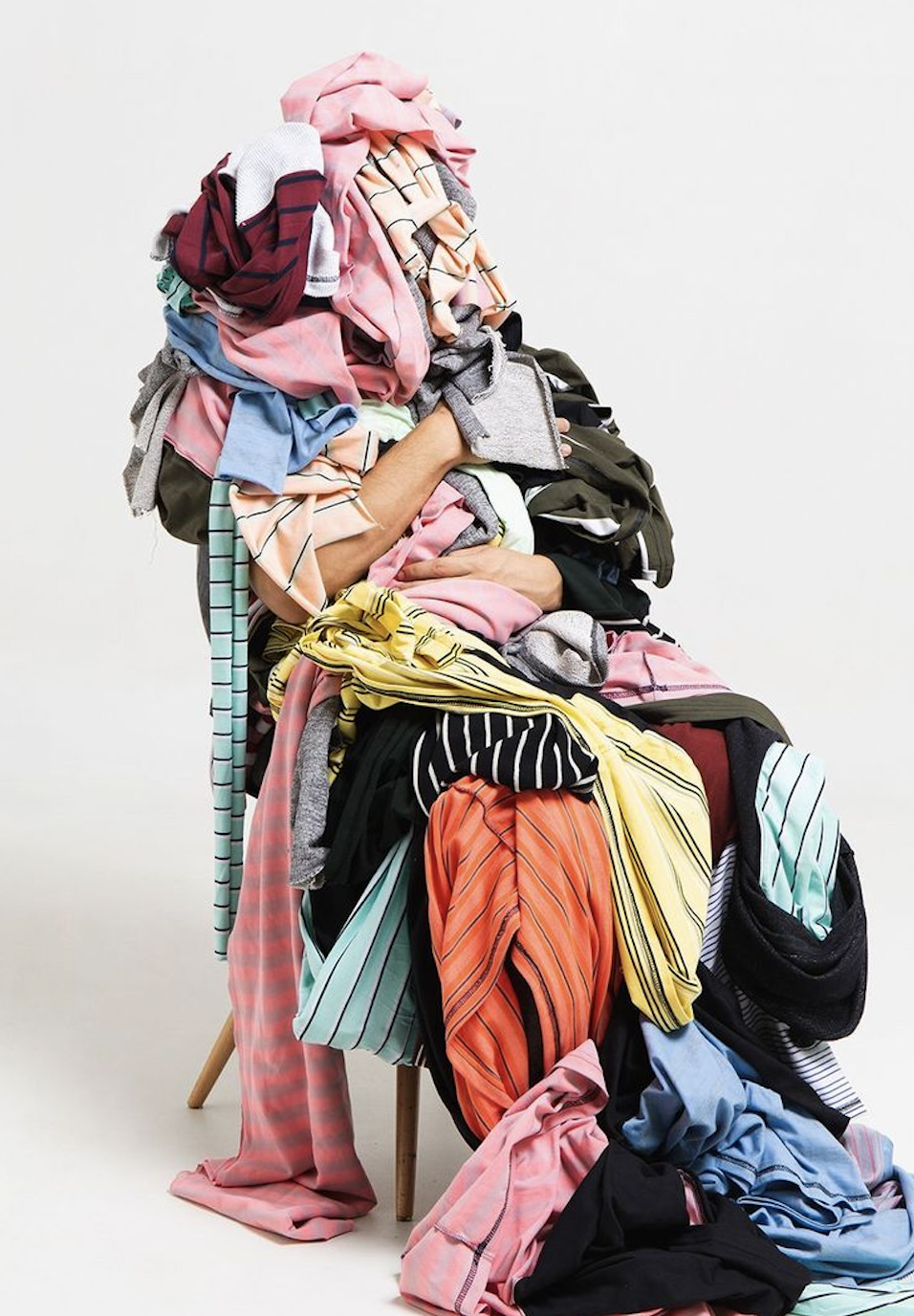
At this point, the issues surrounding fast fashion aren’t exactly hidden. There’s Overproduction, poor labor conditions, environmental damage, landfills filled with barely worn clothing, and the list goes on.
Consumers, especially Gen Z and younger millennials, are more informed than any generation before them. Sustainability isn’t a niche conversation anymore. It’s mainstream. Brands are being called out. Hauls are being questioned. “Where is this from?” now carries weight.
And yet, knowing the problem hasn’t stopped the behavior.
The Convenience Factor
Fast fashion still wins where it matters most, convenience.
It’s accessible, affordable, and immediate. You see something, you buy it, it arrives days later. There’s no waiting, no searching, no second-guessing. In a culture built around speed, fast fashion fits seamlessly into how we already live.
Sustainable alternatives, on the other hand, often require more effort. More money. More patience. And when you’re balancing rent, bills, and everything else, the idea of spending three times as much on a single item doesn’t always feel realistic.
So even the most well-intentioned shopper ends up back where it’s easy.
The Aesthetic of Sustainability
There’s also been a shift in how sustainability is presented. It’s no longer just about ethics, it’s become an aesthetic.
Neutral tones, linen sets, capsule wardrobes, and clean closets. It looks calm, curated, and expensive.
But that version of sustainability isn’t accessible to everyone. It requires time, money, and a certain level of lifestyle flexibility. And ironically, it can feel just as performative as overconsumption, just dressed differently.
Buying an entirely new “sustainable wardrobe” is still buying. It’s still consumption. Just rebranded.
Greenwashing Has Entered the Chat
Brands know consumers care. So they’ve adapted, at least on the surface.
Words like “conscious,” “eco-friendly,” and “sustainable” are everywhere. But often, they’re vague at best and misleading at worst. A single recycled collection doesn’t offset a business model built on constant production.
This creates confusion. Shoppers want to do better, but they’re navigating a space filled with half-truths and marketing language that sounds responsible without necessarily being responsible.
And when everything claims to be sustainable, nothing feels clearly trustworthy.
We’re Still Addicted to Newness
At the core of it, fast fashion isn’t just about price. It’s about novelty.
We’ve been conditioned to want something new constantly. New outfits, new trends, new versions of ourselves. Social media amplifies that need. You’re not just dressing for your life, you’re dressing for visibility.
And visibility thrives on change.
Wearing the same outfit repeatedly doesn’t perform the same way as something new. Even if we don’t consciously think about it, that pressure exists. It shapes what we buy, how often we buy, and why.
So Is It Actually Dying?
Not really. It’s evolving.
Fast fashion is becoming more self-aware, more branded, more disguised. It’s leaning into aesthetics, influencer collaborations, and curated drops that feel more intentional than they are.
At the same time, consumer behavior is shifting, but slowly. People are asking more questions. Thinking twice. Mixing in secondhand. Holding onto pieces longer.
But the system itself? Still very much alive.
What Real Change Would Look Like
If fast fashion were truly dying, we’d see less production, not just better marketing. We’d see fewer collections, not faster ones labeled “conscious.” We’d see consumers buying less, not just buying differently.
Real change requires restraint. It requires opting out of the constant cycle of newness. It requires being okay with repeating outfits, missing trends, and not always having something fresh to wear.
Most people exist somewhere in the middle. They care, but not always enough to completely change their habits. They want to do better, but also want convenience, affordability, and options.
Fast fashion isn’t dying. But the conversation around it is getting louder, sharper, and harder to ignore. And eventually, that pressure may force something to actually change.
But for now, we’re in a transitional phase, where awareness is high, intention is there, and behavior is still catching up.
And maybe the first step isn’t perfection, it’s just paying attention to what we’re actually doing, not just what we say we believe.