
Some date nights are perfectly fine in the moment, but start to blur together after a while. You book a table, order familiar dishes, and move through the same conversational beats without much variation. It’s comfortable, but it doesn’t always leave a strong impression once the night is over.
A small shift in structure can make the evening feel more intentional without adding extra planning. Interactive dinners introduce light direction through printed clues, timed rounds, and shared decisions that keep both people involved. Instead of relying on filler conversation, the experience gives you something concrete to focus on, making the night feel more engaging and easy to move through.
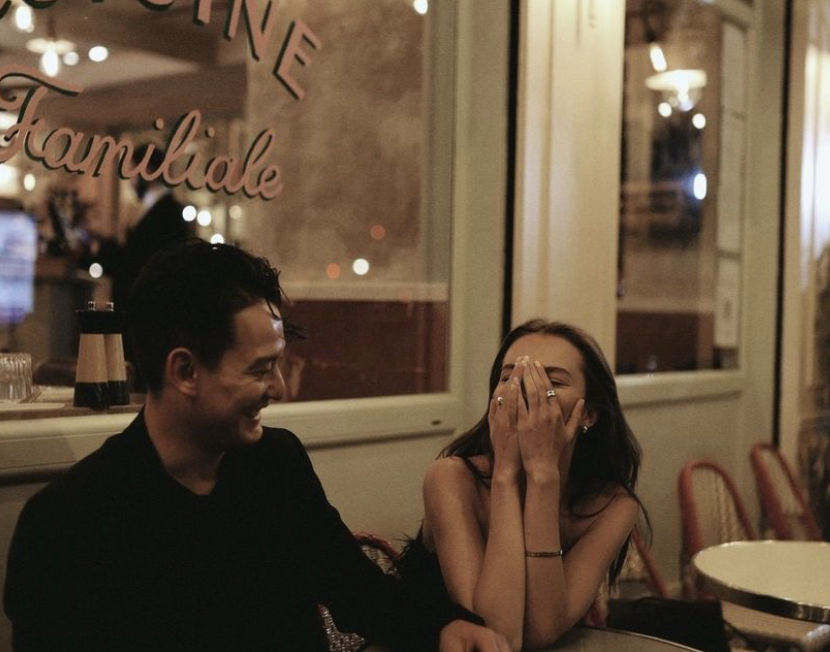
Break the Routine
Most dinner dates follow a predictable rhythm of ordering, waiting, eating, and filling gaps with small talk. When repeated, the night can feel preplanned before you even sit down. A murder mystery dinner shifts that structure by seating you at shared tables where actors blend in as guests, prompting you to watch, ask questions, and compare notes as the meal moves along. The built-in activity creates natural chances to move, interact, and stay alert between courses.
The pace depends on the venue setup, so checking details before booking matters. Dallas spots that run the storyline between courses keep energy steady instead of pausing for long stretches. Look for events that provide a case file on arrival, including suspect names, basic evidence, and space to write, so you engage within minutes rather than waiting for the first major scene.

Choose Interaction Over Observation
Events that keep guests seated facing a stage limit your role to watching, leaving little to do together between bites. A stronger option involves formats where you speak up, ask questions, and react as information appears. Look for nights that place actors in the room and make it natural to compare what you heard, what you saw, and what doesn’t add up.
Printed materials help sustain interaction because they give you something concrete to reference instead of relying on memory. Choose options with physical clues such as evidence cards, a suspect list, or a short case brief you can read and mark up at the table. Avoid loud, stage-only setups and confirm the event runs in structured rounds adding new details every 10–15 minutes, so you always have a clear prompt.
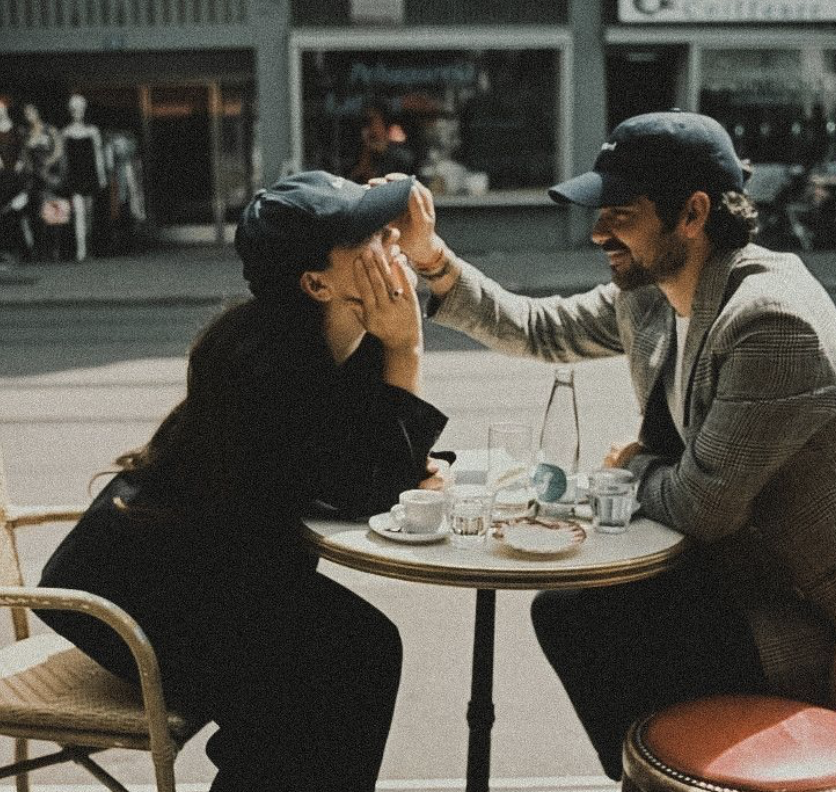
Turn Conversation Into Collaboration
Clue sheets and suspect trackers work best as a shared workspace rather than something one person reads alone. Split the roles so one tracks alibis and timelines while the other follows motives and relationships, then trade notes each round. This keeps discussion specific, since you’re comparing observations instead of creating topics between courses, which can be especially helpful on first dates where structured conversation reduces pressure.
Some dinners reward careful listening more than bold guessing, so focus on formats that score based on verifiable details. Events that introduce small inconsistencies in statements or props give you something concrete to test and encourage cross-checking notes before deciding. When the accusation moment arrives, make a joint decision based on what you can point to directly, keeping the interaction focused and balanced throughout the experience.

Pick the Right Dallas Experience
Actors seated in plain clothes at guest tables usually signal a hands-on format rather than a stage show paired with dinner. Dallas restaurants that host these events in standard dining rooms keep the action close, allowing you to ask questions, compare notes, and catch details without waiting for a spotlight moment. When the cast stays mixed into the room, the case moves around you and integrates with the meal.
Rotating storylines matter if you plan to attend more than once, so check event calendars for titles and dates instead of assuming changes. Confirm the participation level before booking, since some nights are mostly scripted while others include interviews and timed rounds. Uptown and Addison locations often simplify parking and arrival timing, helping the evening start smoothly.
Make the Night Memorable
Slightly dressier clothing tends to fit the setting, especially when the dining space mirrors a standard service night and actors blend in. Arriving 20–30 minutes early gives time to check in, review the case file, and understand how clues will be shared before the first round. This buffer helps avoid rushed choices like taking random seats or missing opening instructions that include key suspect details.
Phones on the table make it easy to miss brief exchanges when an actor shares a detail in passing. Keeping screens away helps you catch small cues, track information, and stay ready for the next prompt. Booking an event with a full reveal and scoring step gives you a clear outcome and a shared set of notes to review afterward.
Next time you plan a Dallas date night, aim for something that keeps both of you involved from start to finish, not just seated through another meal. Interactive dinners add structure in a way that feels natural, giving you clear moments to talk, compare notes, and make decisions together. Look for events with steady pacing, printed materials, and active participation so the experience stays engaging throughout. Check the details before booking, arrive early enough to get oriented, and keep distractions off the table. A well-run night leaves you with shared takeaways, clear results, and a reason to try it again.