
Some People Collect Art. Some Collect Cars. I Collect Clothes.
Why archival fashion may be one of the most interesting collections a woman can build.
There is something fascinating about the way we think about investments. People collect fine art, vintage automobiles, rare watches, and even stamps. We admire these collections, discuss their value, and recognize them as assets. But what about the woman with a closet full of archival Valentino, vintage Dior, or an extraordinary piece of Chanel? Why aren’t we talking about her closet the same way?
I have always loved fashion, but increasingly, I am interested in the idea that shopping can be more than simply acquiring something beautiful to wear. It can also be about collecting something worth keeping. And perhaps we should start looking at certain pieces in our closets a little differently.
Some people collect paintings. I collect clothes.
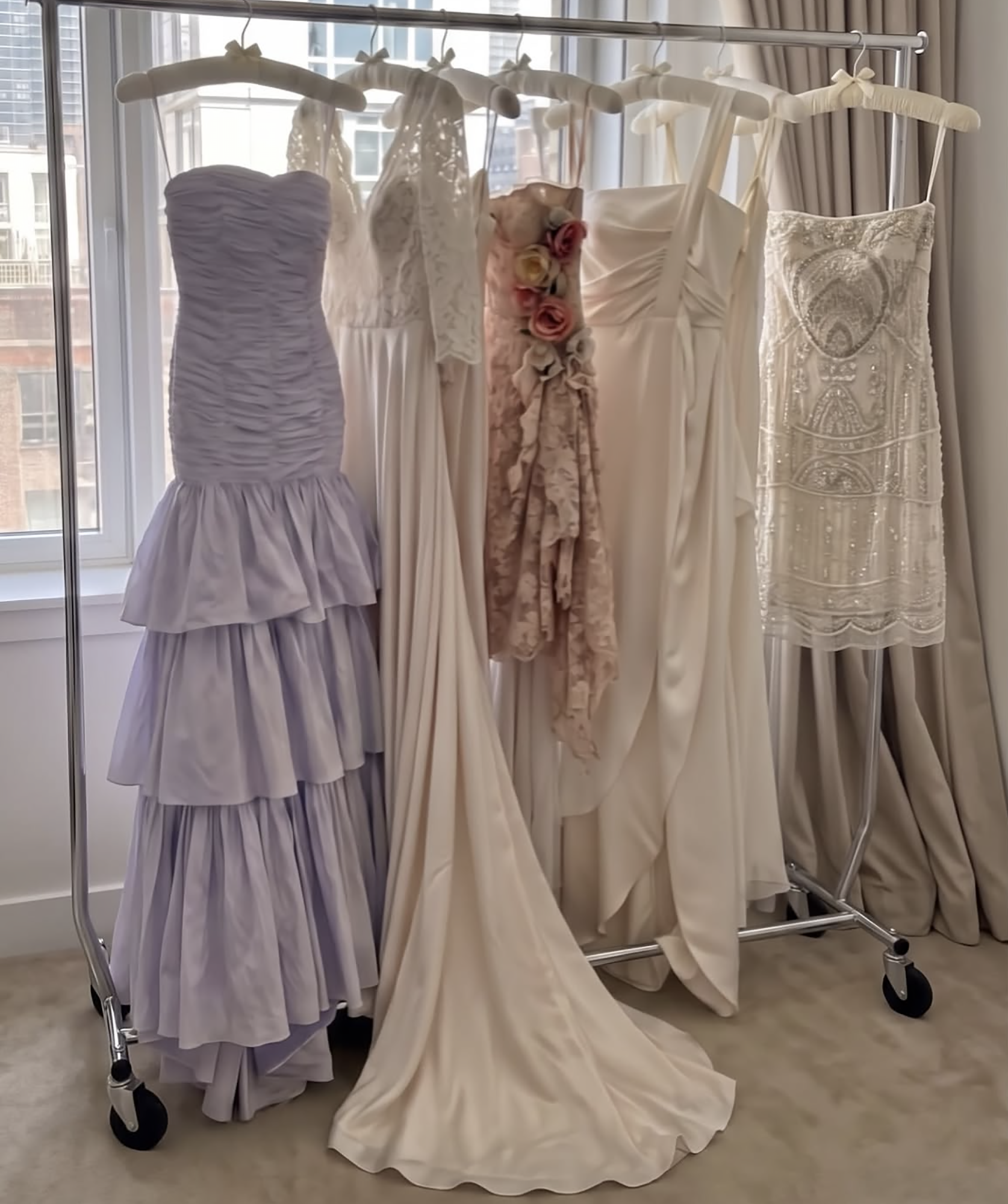
Ralph Lauren, 2006 and 2007, alongside Valentino, 2004 and 2006. via @istante_ny and @abundantia_curation
More Than a Wardrobe
Of course, there is a place for everyday shopping. I love discovering a great new designer, buying something fun for a weekend, or finding the perfect dress for an upcoming dinner. Not everything we purchase needs to have a resale value. Fashion should be enjoyable, spontaneous, and expressive.
But there is another side to shopping that I find increasingly interesting: archival fashion. Archival fashion means more than simply old designer clothing. These are pieces associated with significant collections or moments in a designer’s work, giving them a place in fashion history beyond their age alone.
Imagine opening your mother’s closet and discovering a beautifully preserved Dior suit from the year 2000. She may have bought it simply because she loved it, wearing it to lunch or a business meeting without imagining it would one day interest a collector. Twenty-six years later, that same suit could be a coveted piece of fashion history, potentially worth thousands of dollars depending on its designer, collection, condition, and rarity. Whether it commands $5,000, considerably less, or even more, its value lies in more than its age. It lies in what the piece represents.
Suddenly, that suit isn’t simply something hanging in a closet. It’s a collectible. It’s an asset. And perhaps most importantly, it’s something you can actually wear.
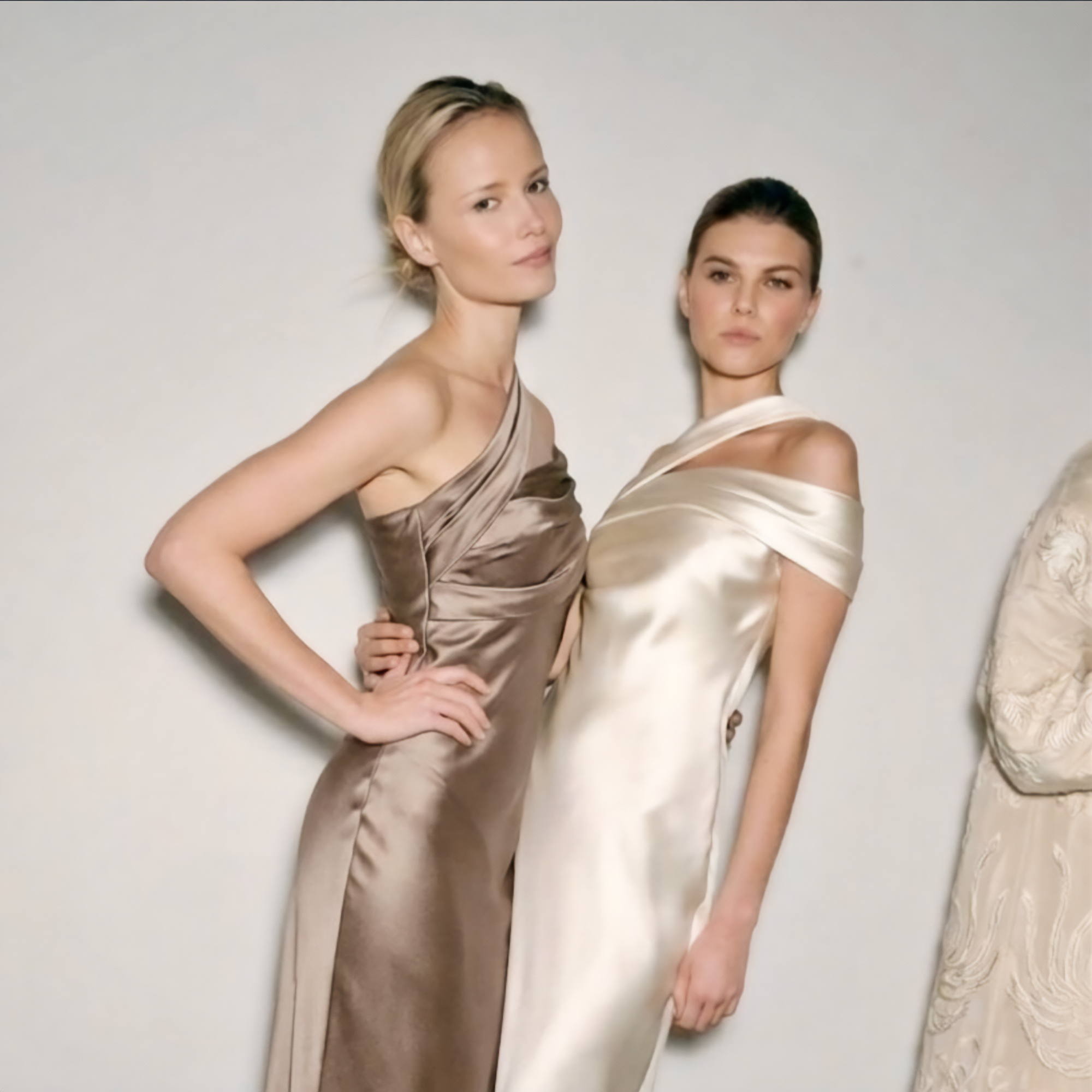
Ralph Lauren Fall 2008 Taupe Silk Dress, shown on the left. via @istante_ny
Buying vs. Collecting
I think there is an important distinction between shopping and collecting. When you shop, you’re often thinking about what you want to wear right now. When you collect, you’re thinking about what you want to own for years.
A Valentino gown from an important collection. A beautifully tailored Dior suit. A rare Chanel jacket. An archival Jean Paul Gaultier dress. These pieces can represent particular moments in fashion history. They reflect a designer’s vision, a period of creativity, and craftsmanship that may never be reproduced in quite the same way.
And unlike a painting that hangs on your wall, you can take these pieces out into the world. You can wear your Valentino gown to a wedding, your Dior suit to lunch, or your vintage Chanel jacket with jeans. Then you can carefully put them away, preserve them, and perhaps one day sell them or pass them along to your daughter. That’s what makes collecting fashion so interesting to me.
You get to enjoy the asset while you own it.
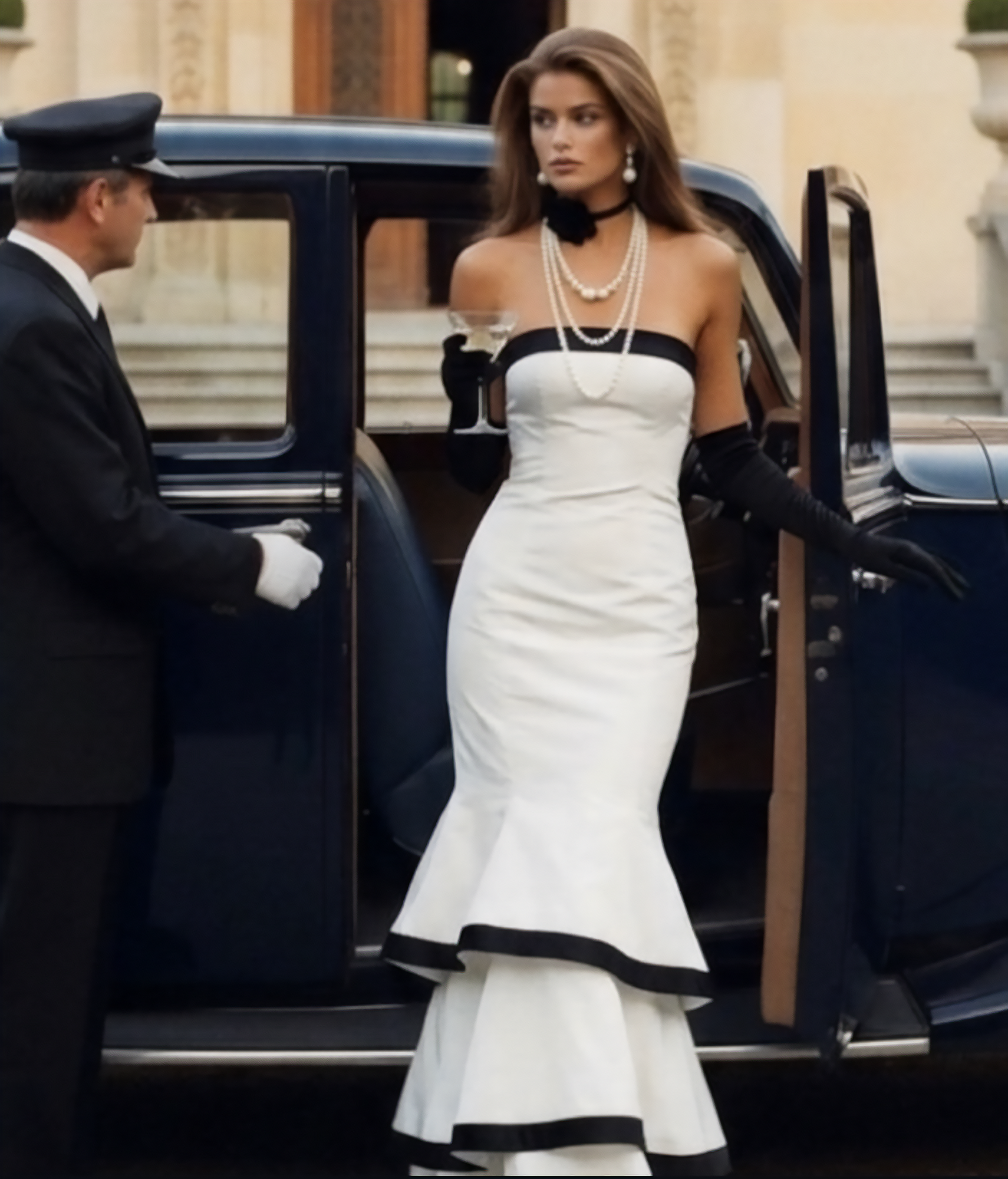
Ralph Lauren 2008 Silk Taffeta Gown. via @istante_ny
Is Archival Fashion the New Art Collection?
We have always understood that certain objects become more desirable with time. A painting can increase in value because of the artist’s significance. A vintage automobile can become valuable because of its rarity. A watch can become collectible because of its history and craftsmanship.
Fashion operates on some of those same principles. Certain collections become iconic. Designers leave fashion houses. Creative directors change. Silhouettes disappear. Pieces that were once readily available become difficult to find. And suddenly, something that was purchased decades ago becomes desirable to a new generation of collectors.
Of course, not every designer piece appreciates. Some lose significant value, and resale prices can fluctuate with trends and demand. Authentication, storage, restoration, and selling fees also matter. But the possibility of retaining or increasing value introduces an entirely different way to think about luxury shopping. Instead of asking only, “Do I love this dress?” perhaps we should occasionally ask, “Is this a piece I would want to own twenty years from now?”
Valentino Spring/Summer 2004 Ivory Corset with intricate lace appliqués and beadwork. via @abundantia_curation
Collecting Across Generations
I particularly love the idea of women building collections that can be passed from one generation to another. There is something special about inheriting your mother’s jewelry, but imagine inheriting her extraordinary wardrobe. A Dior suit from 2000. A Valentino evening gown from the 1990s. A Chanel jacket purchased in Paris. Each piece carries its own story, but it may also have a resale market.
We often discuss generational wealth in terms of real estate, stocks, and financial accounts. And while clothing should never replace traditional investments, certain exceptional pieces can become part of the tangible assets a family owns.
I find that idea empowering. A woman can appreciate beautiful clothes while also being thoughtful about their long-term value. She can enjoy fashion and understand the business of fashion. The two aren’t mutually exclusive.
A Collector’s Eye
Perhaps the next time you walk into a vintage store, you should look at the racks a little differently. Instead of searching only for something to wear next weekend, look for something extraordinary. Look at the label. Research the designer. Learn about the collection. Understand the construction, the fabric, and the condition. Check authenticity and compare prices with similar pieces that have actually sold, rather than relying only on what sellers are asking. Ask whether the piece is rare, whether there is an established resale market, and whether you would still love owning it ten years from now.
I think that’s part of the fun. Collecting fashion encourages you to learn about designers, study fashion history, and develop your own point of view. You begin to recognize pieces that other people might overlook. And perhaps the most exciting discovery is the one you find tucked away in a vintage store, waiting for someone who understands exactly what it is.
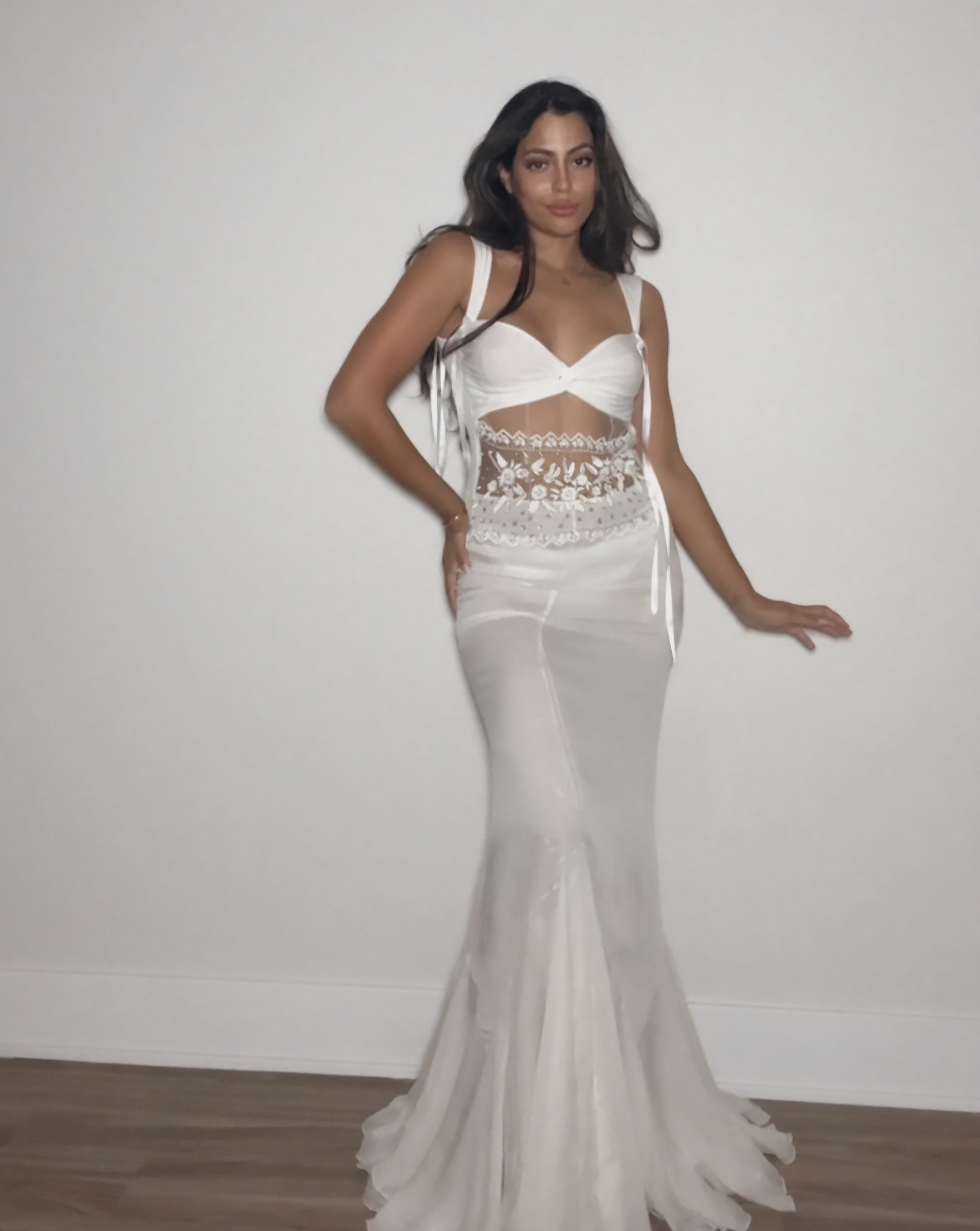
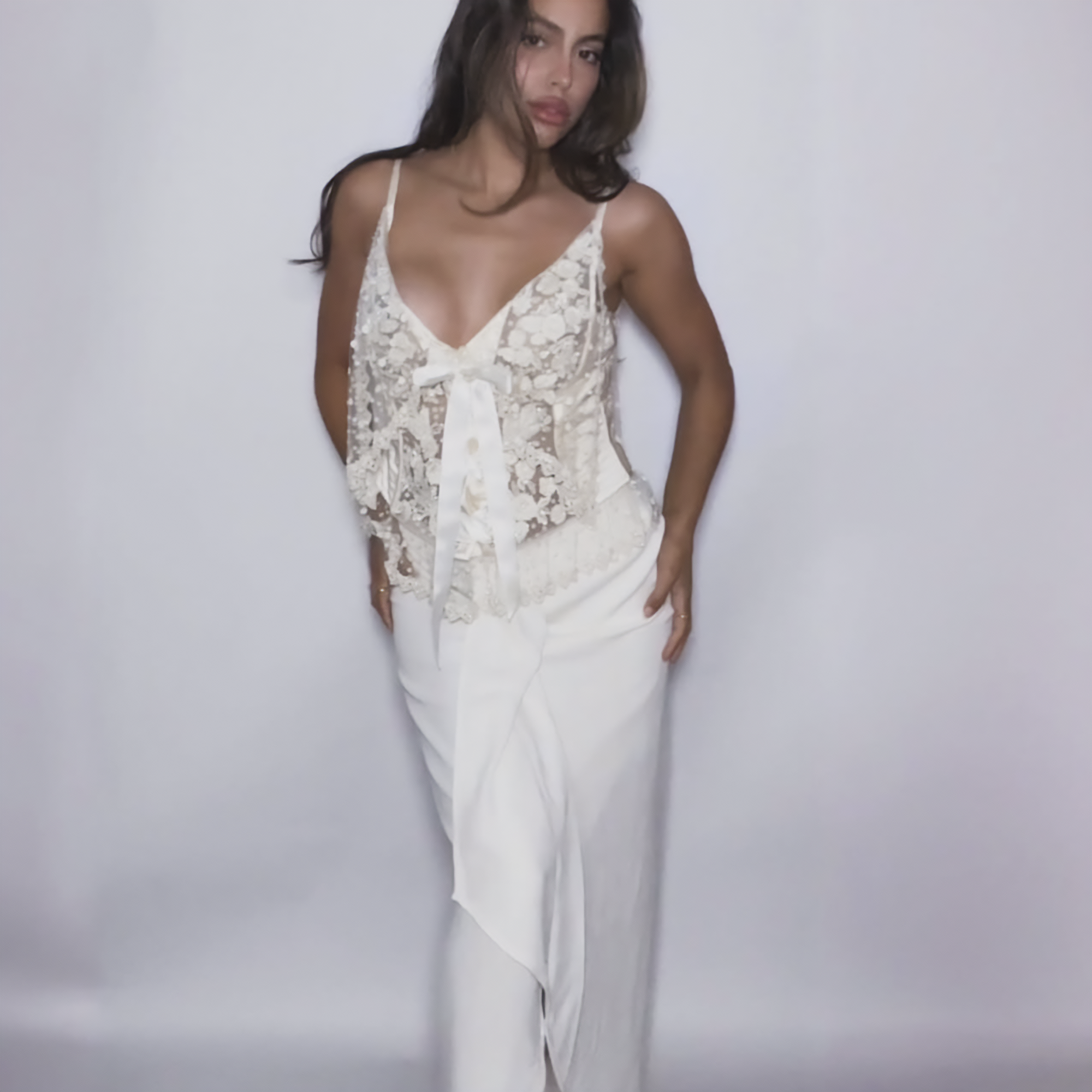
Valentino Spring/Summer 2004 Beaded Silk Top and Bias-Cut Skirt Set. via @abundantia_curation
Some Collect Stamps, I Collect Valentino
I don’t think every purchase needs to be justified as an investment. Sometimes a beautiful dress is simply a beautiful dress. But I also don’t think we should dismiss the financial potential of a thoughtfully collected wardrobe.
There is something wonderful about the possibility that a gown you wear today could become a coveted archival piece tomorrow. Or that the Dior suit your mother saved for twenty-six years might be more interesting, more desirable, and potentially more valuable today than when she purchased it. Fashion is personal. It’s creative. It’s emotional. But it can also be collectible.
So while someone else may be searching for their next painting, rare coin, or vintage automobile, I might be searching for an extraordinary piece of Valentino. Because sometimes the most interesting assets aren’t hanging in a gallery.
They’re hanging in your closet.