How to Start a Clothing Brand That Actually Sells
From idea to income stream, here’s how to create a clothing brand that connects and converts.
Starting a clothing brand might feel like the ultimate dream, until you’re drowning in fabric samples, figuring out LLCs, and wondering why your social media posts aren’t converting. You’re not alone, and the even better news is that you don’t need to go viral overnight to build a successful brand. You just need a game plan rooted in clarity, consistency, and community.
Whether you’re designing your first sweatshirt or mapping out a full fashion line, this guide breaks down exactly what you need to do, in what order, and why. Think smart, step-by-step advice to help you build something real.
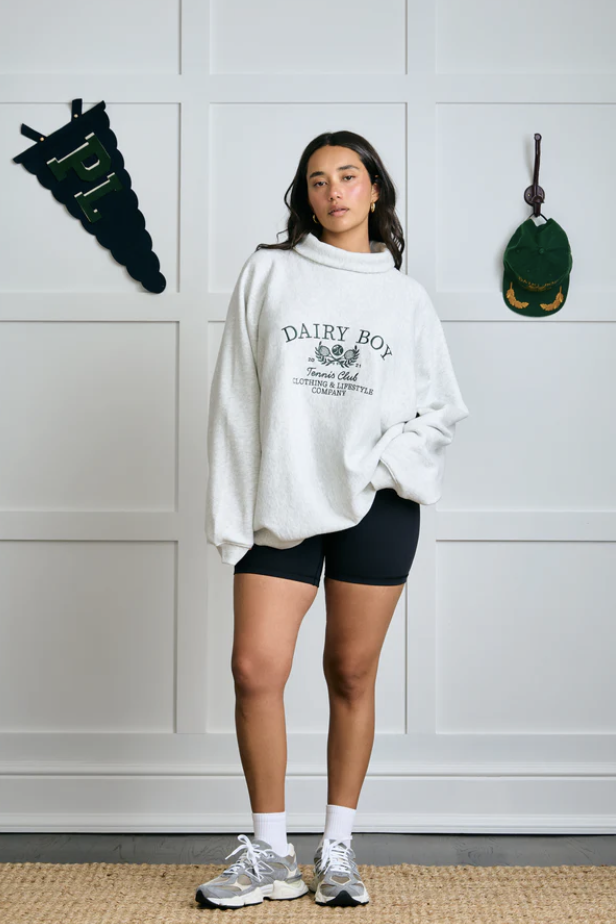
Start With a Story Not a Product
The clothing brands that actually stick don’t just sell clothes, they sell a story. Dairy Boy, for example, didn’t launch with a massive inventory or a celebrity co-sign. It started with a sweatshirt and a world-building concept: something nostalgic, personal, and scroll-stopping.
Before you even sketch your first design, ask:
What does your brand feel like?
Who are you speaking to, and what do they care about?
Is this about slow fashion, cultural identity, humor, nostalgia, rebellion, softness, boldness?
You’re not just starting a brand. You’re inviting people into a lifestyle, a moodboard, a mindset. Nail that early.
Design for Desire and Differentiation
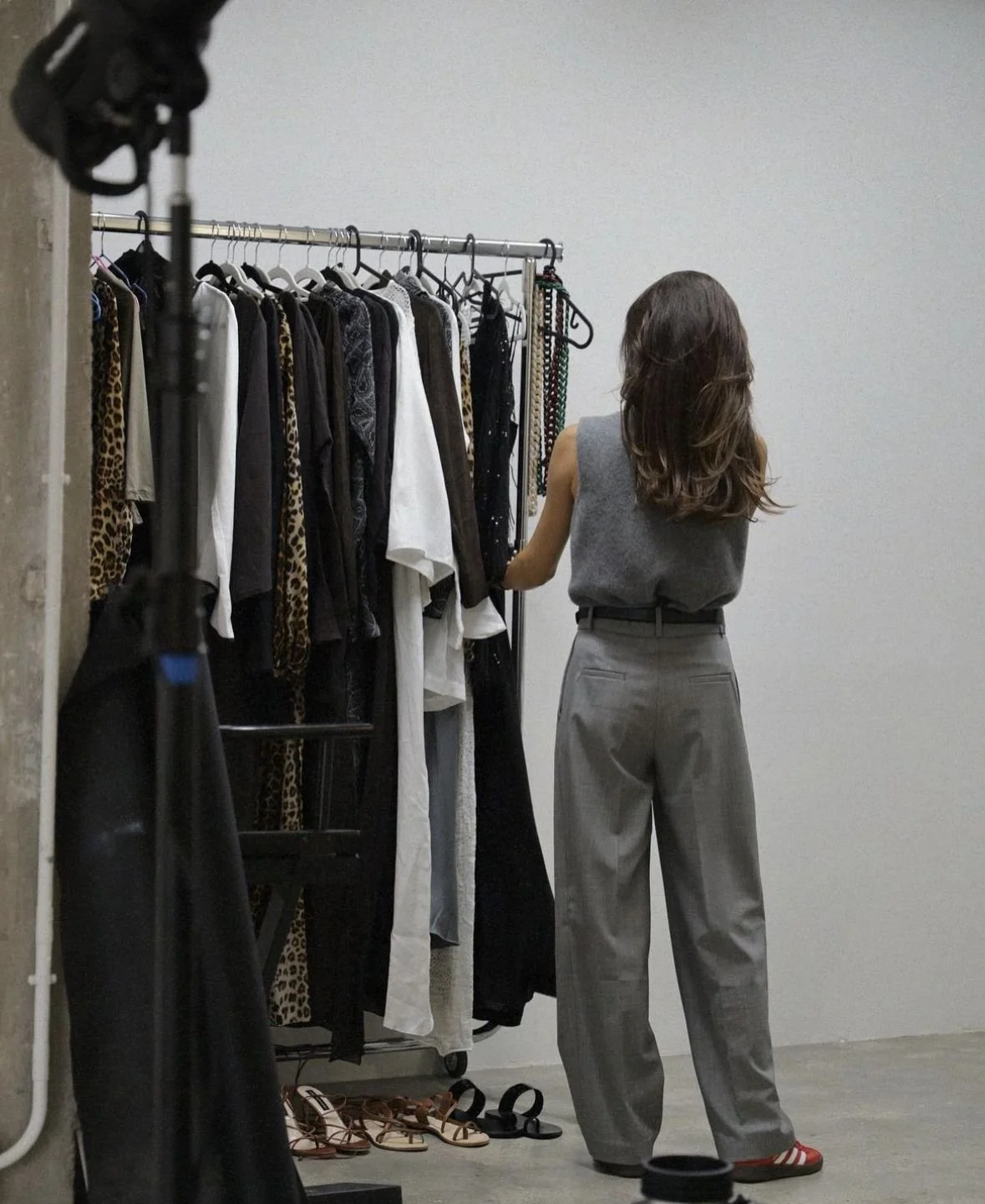
Your pieces don’t need to be groundbreaking, they need to feel like theirs. That means understanding your audience’s style gaps. Ask yourself: what’s missing in their closet? What trend are they loving but can’t find done right?
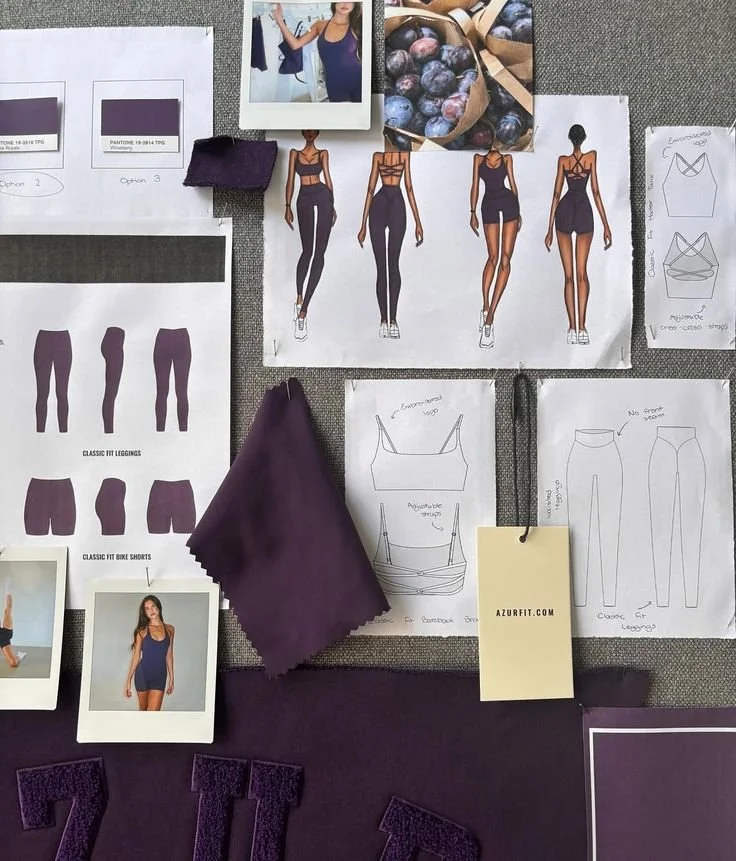
Keep your first collection small, three to five hero pieces. Make sure there’s a visual throughline in the color palette, fit, or graphic style. Use Printify, Printful, or no-minimum manufacturers if you’re bootstrapping. Use samples to test quality, fit, and texture IRL.
Pick the Right Production Path
You’ve got three main production options:
Print-on-demand: low risk, but lower quality control and slimmer margins.
Pre-order model: great for cash flow and community building, but requires trust and marketing.
Small-batch production: more upfront cost, but better quality and brand control.
Brands like Lisa Says Gah and Tach Clothing started with micro-batches and built hype slowly. If you want longevity, prioritize quality over quantity from the start.

Build a Brand Identity That Feels Human
This includes your logo, typography, tone of voice, color palette, and product packaging, but also your values, captions, and customer experience.
Is your brand cheeky and meme-worthy? Luxe and minimal? Cottagecore dreamy? Each element, from your website font to your customer support email—should reinforce that vibe.
And don’t underestimate packaging. Gen Z and millennial shoppers love an unboxing moment that feels personal. A handwritten note, a branded sticker, a scent, even on a budget, details matter.
Market the Brand Before It Exists
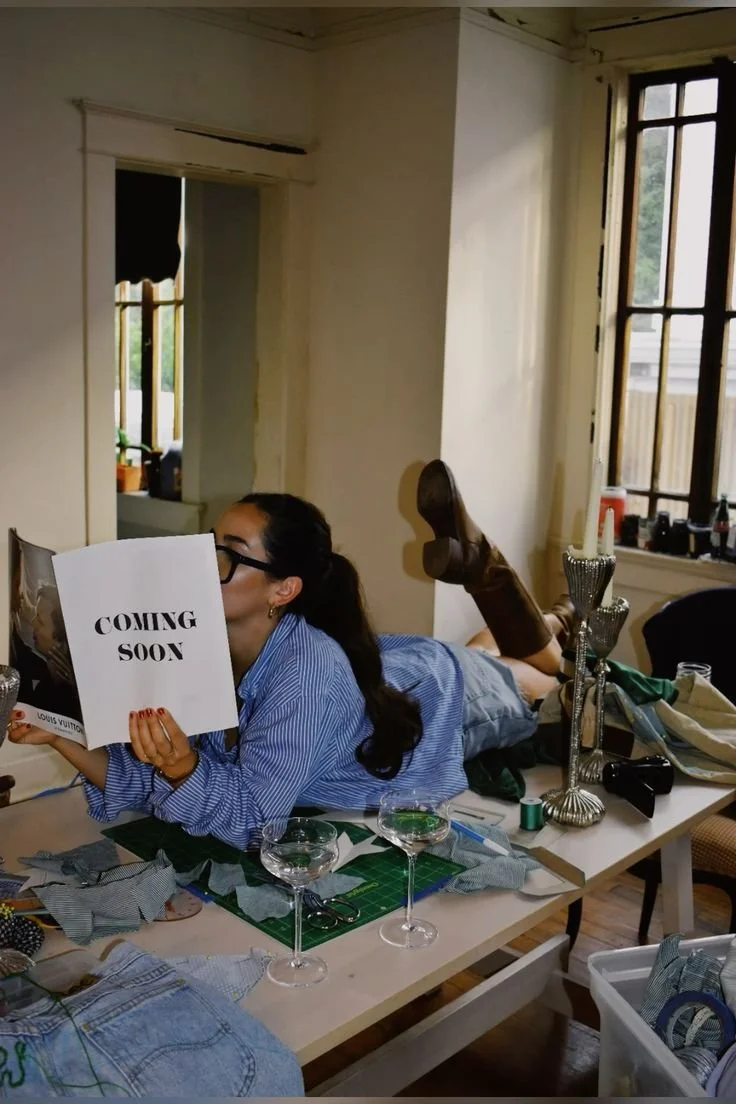
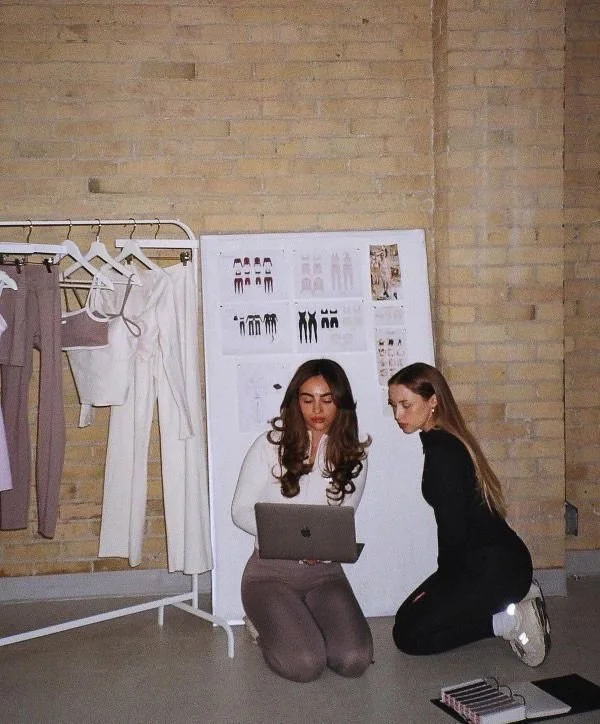
Start building interest before you have inventory. Create a waitlist landing page. Share the behind-the-scenes process. Ask your community to vote on designs, colors, or slogans. You’re not just marketing a product; you’re making them feel like insiders.
Use Instagram, TikTok, Pinterest, and email. Platforms like Klaviyo and Flodesk make pre-launch email sequences easy. Aim to have 100+ people on your email list before launching.
Pro tip: Create content as if you’re documenting your brand blowing up in real time. Manifest it, but make it strategic.
Launch Loud but Targeted
A successful launch isn’t about reaching everyone, it’s about reaching the right people with the right energy. Use time-limited drops. Offer exclusive codes for early supporters. Send PR packages to niche micro-influencers. And yes, post about your launch more than once. You’re not annoying, people are just busy.
Don’t just say “our drop is live.” Say “here’s why I made this,” “how I styled it,” “what this means to me.” Humans buy from humans.
Turn Customers Into Community
Once you’ve made those first sales, your job is to turn buyers into brand believers. Feature them on your page. Create branded hashtags. Start a close friends list for sneak peeks. Ask for feedback. Make them feel like insiders. Give them something to repost.
Brands like Boys Lie and Emi Jay didn’t just sell, they invited you in. Into their aesthetic, their chaos, their behind-the-scenes banter. Do the same.
Plan to Scale From Day One
If your drop sells out, what’s next? If a piece goes viral, can you restock fast? Do you have a process for fulfillment, returns, and inventory?
Eventually, you’ll need to decide whether you want to stay indie and slow, or scale with investors or retailers. But in the beginning, plan for momentum. Use Shopify or Squarespace with ecomm add-ons. Use Notion or Airtable to track your ops. Get clear on your numbers.
You Don’t Have to Be the Next Dior, Just the First You
You don’t need a fashion degree, a warehouse, or a celebrity collab. You just need a story, a strategy, and the guts to begin. Build your brand the way you’d build a world, with heart, with intention, and with people in mind.
Shop From Brands Who Nailed It