How Clare and Christina Kimeze Reframed the Entire Eyewear Industry
The sisters behind Kimeze Eyewear are building more than sunglasses, they’re building a new standard in luxury.
This article is brought to you by

When Clare and Christina Kimeze went shopping for sunglasses, they weren’t looking for a business idea. They were just trying to find frames that actually fit their faces. But as Black British women with distinct facial features that weren’t being considered in mainstream eyewear design, what they discovered instead was a massive gap in the luxury market, and no one was filling it.
So, like true visionaries, they built it themselves.
Enter Kimeze, the London-based luxury eyewear brand designed specifically with Black and brown facial features in mind.
The result? An eyewear line that doesn’t just look stunning, it feels like belonging. And that’s what makes Kimeze so powerful: it’s not just selling frames, it’s reframing what luxury can and should look like.

They Started With the Problem, And Designed for What Was Missing
The idea wasn’t born in a boardroom. It was born in a store, while trying on pair after pair of designer glasses that sat too high, too tight, or too far off the mark.
For decades, eyewear brands have quietly designed around European facial features: narrow nose bridges, higher cheek placement, and uniform facial proportions. The Kimeze sisters realized the entire industry was missing a simple truth: faces are not one-size-fits-all, especially when it comes to the Black community.
They didn’t want to “make diversity trendy.” They wanted to build a product that functioned beautifully because it was designed inclusively from the beginning.
They Treated Eyewear Like Architecture
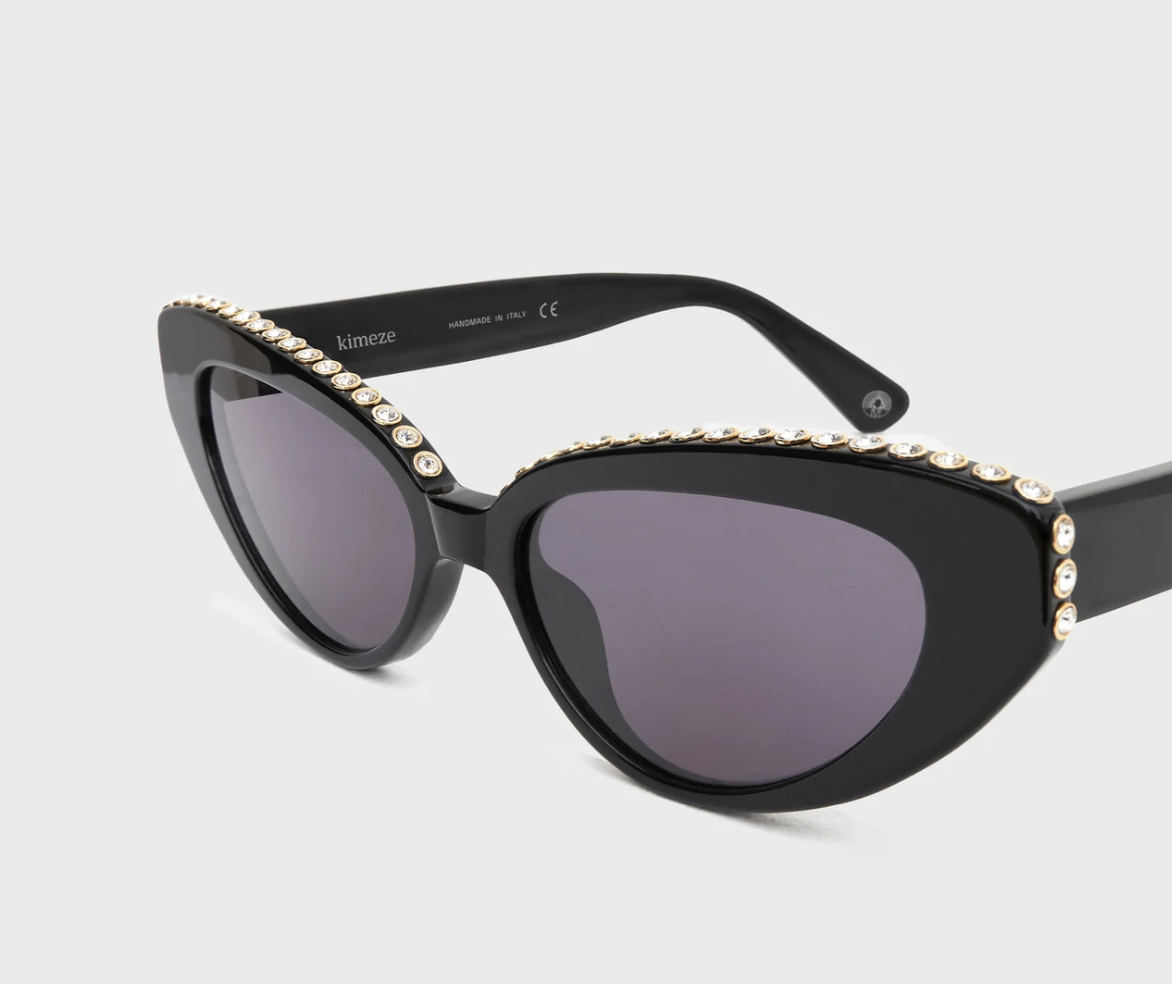
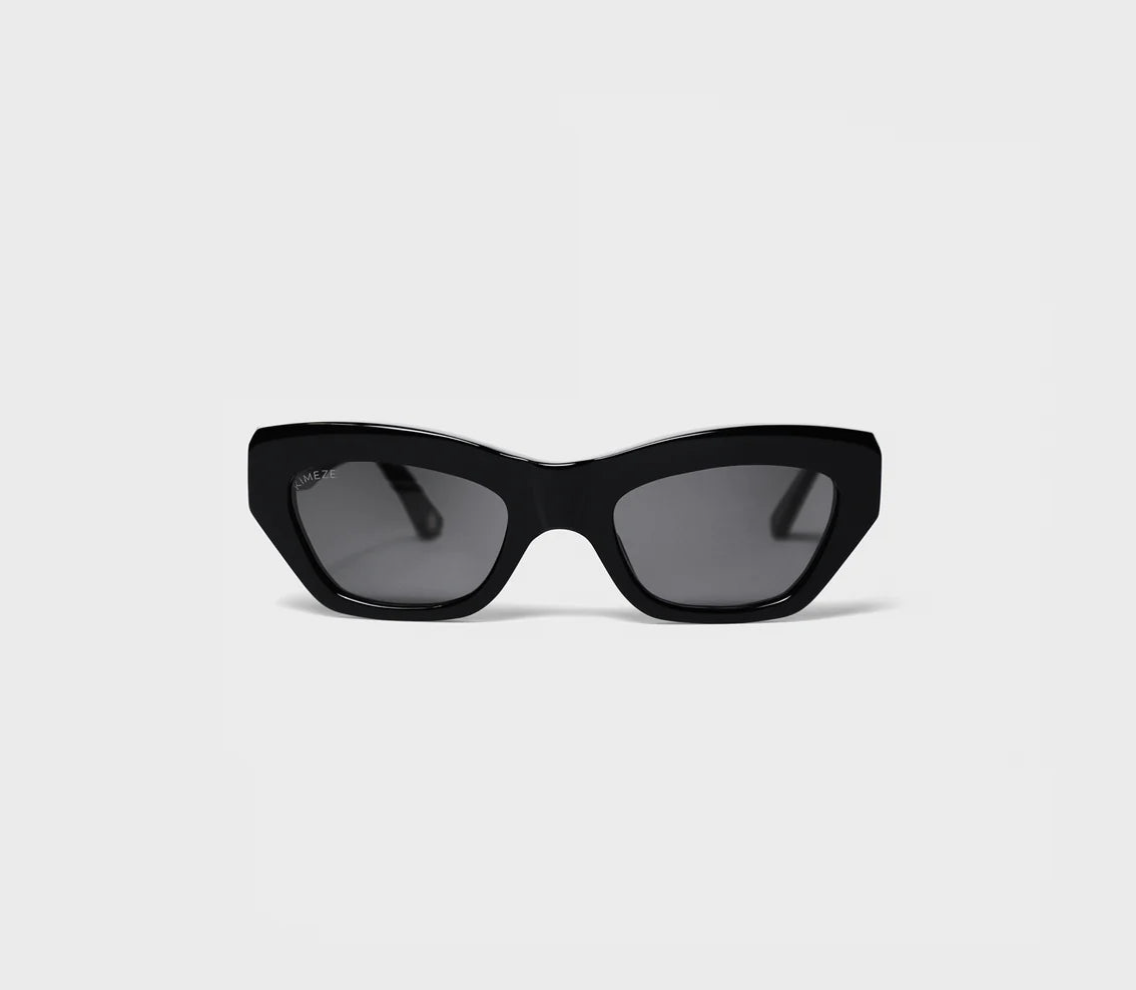
Kimeze is rooted in both aesthetic vision and engineering precision. Each frame is made in Italy using traditional artisanal techniques, think hand-finished acetates and gold-plated hardware, but designed from a place of biometric insight.
The Kimeze sisters worked closely with experts to shape frames that flatter a wider range of facial features, with:
Wider nose pads for more accurate placement
Longer arm lengths for better reach and comfort
Redesigned bridges to ensure a balanced fit
This wasn’t a fashion brand with a “diversity angle.” This was category innovation disguised as fashion.
They Entered the Market With Luxury Intentions
While many brands default to accessible price points to grow fast, Clare and Christina knew their target audience deserved better than “affordable knockoffs.”
Kimeze launched in 2021 with a luxury positioning, right out of the gate:
Retailing at £200–£250 per pair
Manufactured in the same facilities as some of the most iconic fashion houses in Europe
Launched on Net-a-Porter, signaling both quality and status
This wasn’t about creating a “Black version” of something that already existed. It was about creating something new, something that belonged on the same shelves as the world’s best.


They Grew With Purpose, Not Performance Hype
Instead of chasing virality, the sisters focused on refinement, of product, of branding, and of storytelling.
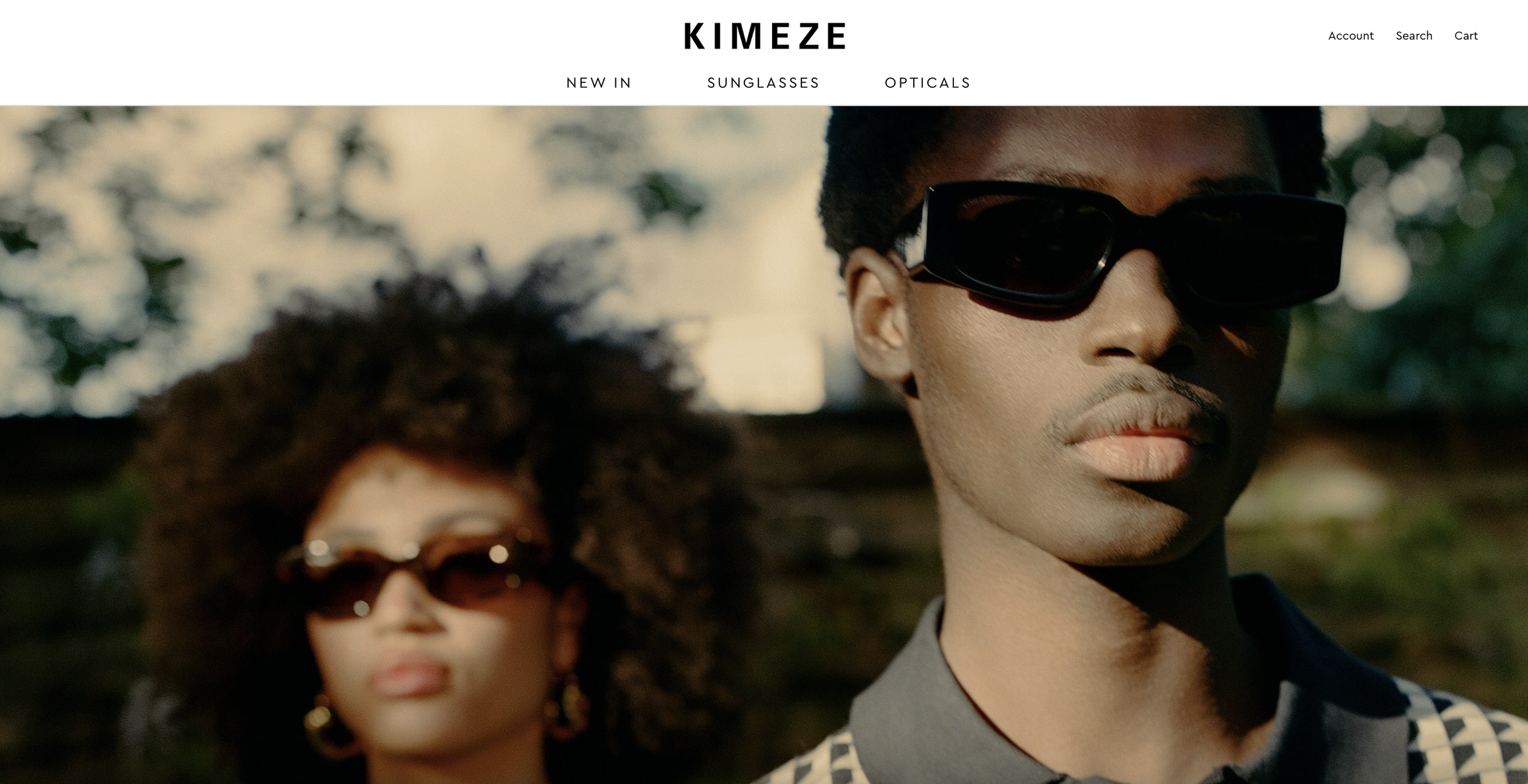
Their visual identity is minimal and elevated. Their campaign models reflect the communities they serve. Their ethos? Quiet power. Considered growth. And making underrepresented consumers feel completely at home in high fashion.
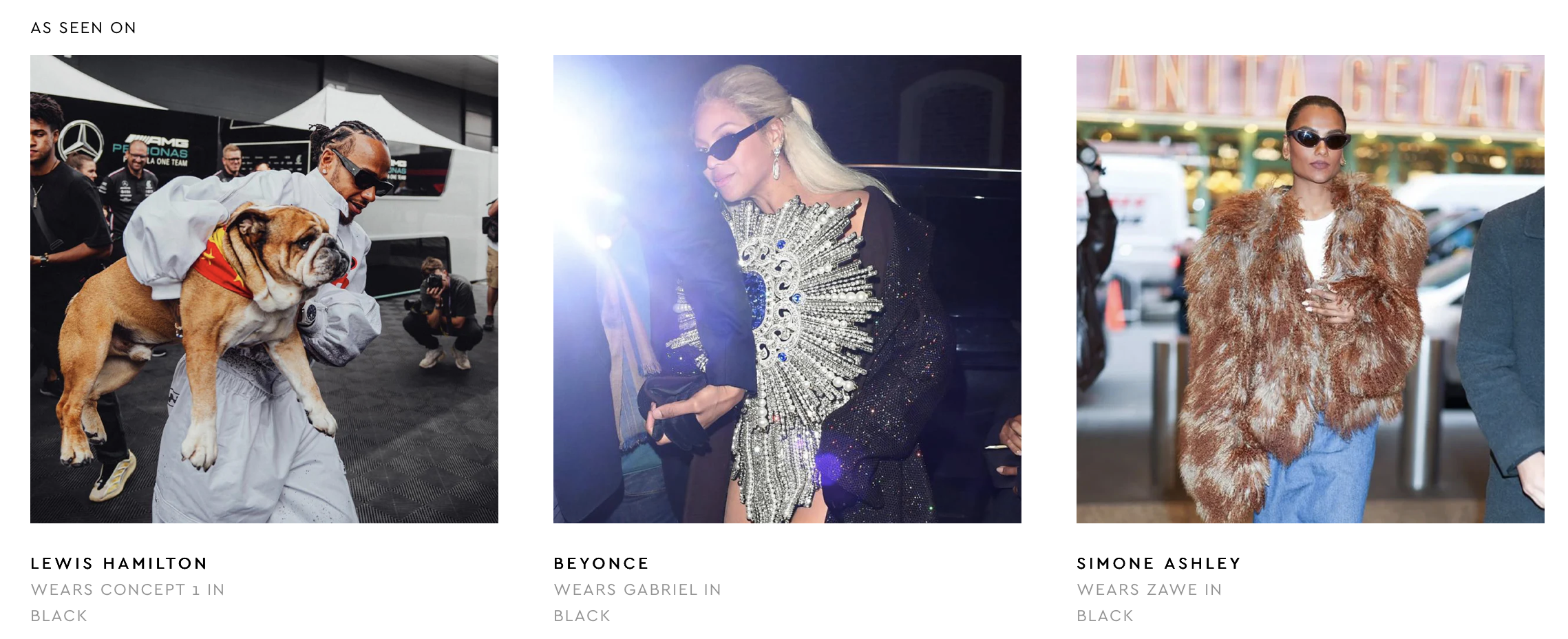
They’ve since expanded their collection to include both optical and sunwear, gained global press coverage (The Guardian, Stylist, Fashionista), and opened up conversations about what true inclusivity looks like when it’s not being performative, but deeply embedded in the product.
What Founders Can Learn From the Kimeze Sisters
Solve the problem you’re personally experiencing. The best ideas start with frustration.
Design for specificity. Generalized products alienate more people than they serve.
Luxury doesn’t mean exclusion. In fact, real luxury should feel like being seen.
Let the product do the talking. A refined brand with real purpose creates lasting loyalty.
Don’t be afraid to go first. The Kimeze sisters weren’t trying to disrupt, they were trying to design better. And that’s exactly what they did.
SHOP KIMEZE EDITOR’S PICKS