
Activities You Can Start Today for Stronger Joints and Mobility
Strong, flexible joints define how people engage with the world, shaping every step, stride, and stretch. Movement becomes effortless when joints remain supported, yet subtle stiffness can slowly reduce ease and comfort. While natural changes occur over time, dedicated care offers a powerful way to protect mobility, enabling both graceful motion and reliable strength throughout adulthood.
Daily choices carry remarkable influence over long-term independence. Activities such as walking, stretching, and strengthening exercises train the body to adapt with resilience. Small, consistent habits not only reduce discomfort but also preserve agility. With thoughtful practice, joints remain stable partners in movement, fostering confidence, vitality, and the freedom to embrace each day’s demands.

Daily Walking Routines
Walking offers a simple yet powerful way to keep joints active and supported. Even short strolls warm cartilage, stimulate circulation, and ease stiffness in ankles, knees, and hips. Much like a favorite pair of studs that quietly completes an outfit, consistent walking provides dependable reinforcement, adding steady strength to daily life without demanding extra effort or equipment.
Adding variety deepens these benefits. Moving across grass, inclines, or uneven paths awakens stabilizing muscles while sharpening balance. Breaking up long seated periods with a brisk lap restores comfort and prevents tightness. Over time, these small, intentional choices form a lasting foundation for mobility, turning each step into an expression of strength and confidence.

Supported Lunges
Supported lunges combine mobility and strength in a single, low-impact exercise. Holding a railing or wall reduces load on the knees, allowing attention to focus on form. The front shin should remain vertical, hips aligned, and torso upright, encouraging both glute and quadriceps engagement. Controlled repetitions gradually improve coordination while minimizing the risk of discomfort.
This movement also stretches the hip flexors, a muscle group often tight from long hours of sitting. Slowing the descent to three seconds adds intensity without additional weight, reinforcing joint stability and balance. Beginners can start with two sets of eight to ten repetitions per side. Repeating this routine several times per week steadily builds capacity for walking, lifting, and everyday movement.

Swimming and Pool Mobility Work
Water offers a unique environment where movement feels light yet effective. Swimming laps, water walking, and gentle drills activate multiple muscles while reducing pressure on knees and hips. Every stroke encourages circulation, flexibility, and endurance, giving the body a chance to move freely without the jarring impact common in land-based exercise.
Structured pool sessions blend stamina and mobility in an enjoyable way. Alternating between steady swimming, short bursts of movement, and balance-focused drills prevents strain while keeping workouts engaging. Simple tools like floatation noodles or resistance paddles add variety and challenge, helping joints grow stronger with each practice. Over time, these routines foster comfort and confident motion.

Gentle Yoga Flow
Gentle yoga creates an accessible method for easing stiffness while strengthening muscles in a safe, controlled manner. Slow sequences guide joints through healthy ranges without shock or pounding. Movements like cat-cow stretches maintain spinal mobility, while modified warrior poses improve balance and stability in the hips and shoulders. Pairing breath with motion enhances relaxation and steadier alignment.
A short practice of five to ten minutes, repeated several times weekly, offers consistent benefits without strain. Poses such as child’s pose, low lunges, seated twists, and supine stretches address common tight areas while encouraging flexibility. With time, these routines reduce stiffness, improve posture, and build resilience that supports smooth, confident movement throughout everyday activities.
Resistance Band Strength Training
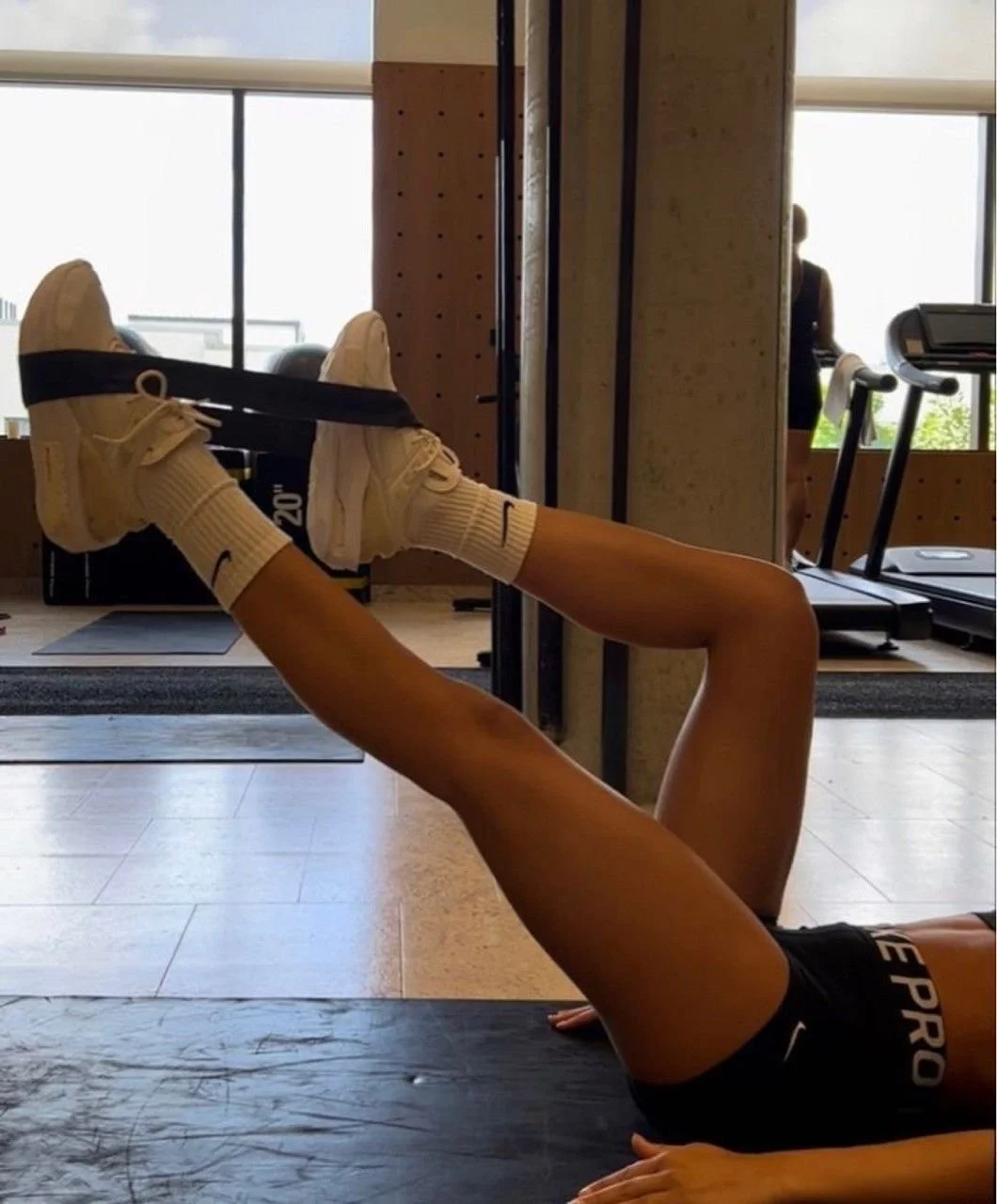
Resistance bands offer a practical approach to strengthening joints without heavy equipment. Controlled movements such as lateral walks, clamshells, and deadlifts with bands target hips and legs, while external rotations protect shoulder health. Each repetition should be deliberate, emphasizing steady control and full range of motion. Lightweight and portable bands make it easy to keep routines consistent anywhere.
An effective program includes two to three sets of eight to fifteen repetitions, performed multiple times per week. Bands placed around thighs or ankles challenge stability, while handles allow upper-body rows and presses. Progressively adding resistance when technique feels solid strengthens muscles and joints alike, supporting dependable, confident movement throughout daily life.
Consistent activity turns joint health into lasting strength and freedom. Simple, consistent practices like walking, lunges, swimming, yoga, and resistance work build resilience that carries into every part of daily life. Each activity nurtures balance, flexibility, and strength while protecting long-term mobility. Small sessions add up to powerful results, turning stiffness into fluid motion and hesitancy into confidence. Listening to the body, progressing gradually, and valuing regular activity makes movement sustainable. With patience and persistence, joints remain reliable companions—supporting freedom, independence, and the joy of moving with ease throughout every stage of life.