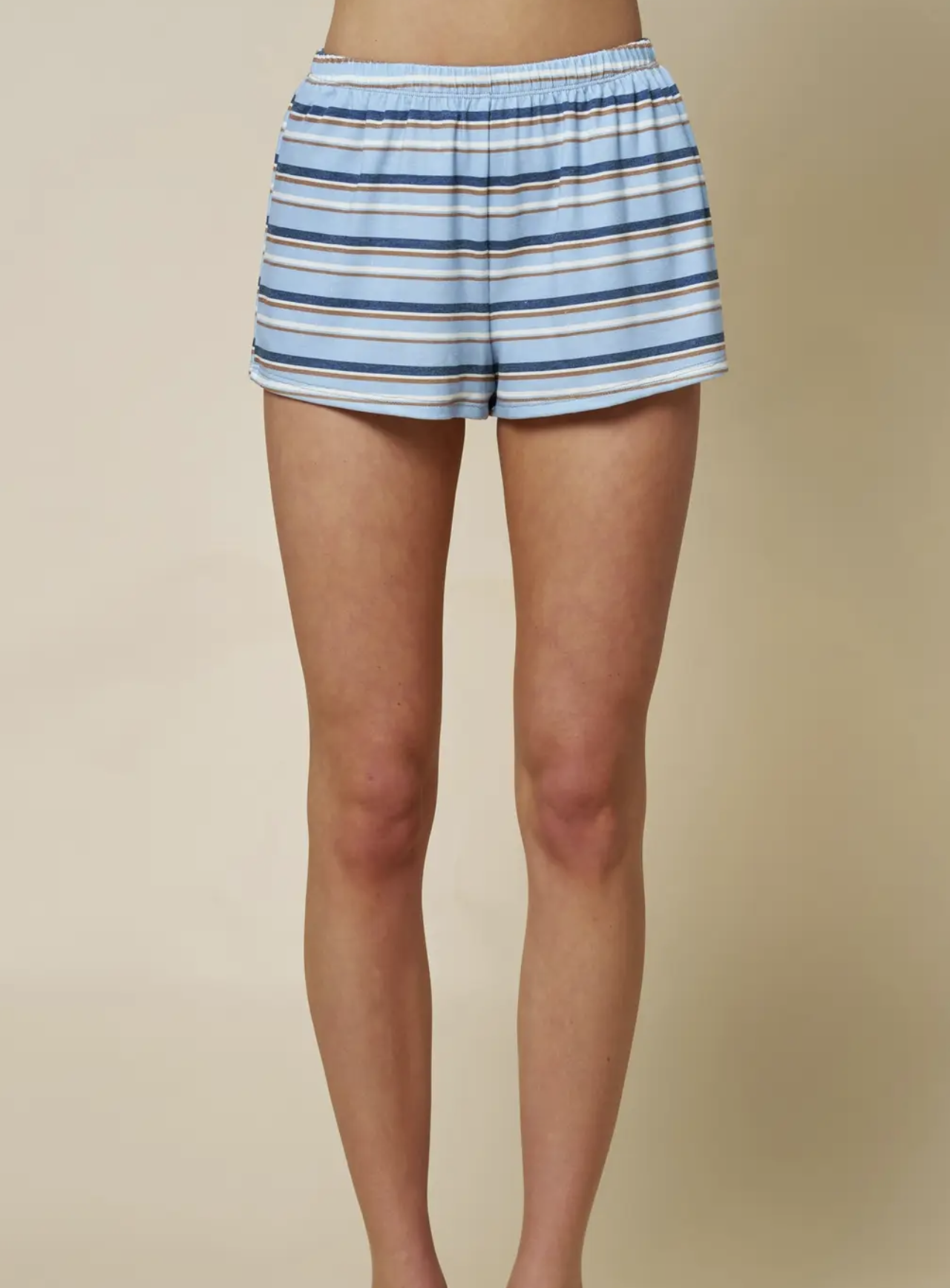
From retinol at 21 to preventative Botox at 25, the industry found a new way to sell women fear.
You're 23. You've just found a skincare routine that works. And then, somewhere between a TikTok you didn't ask for and a product recommendation from an influencer who is somehow 19, you're told it's already time to start thinking about anti-aging. Before the damage sets in. Before the lines appear. Before you're too late. The phrase "preventative skincare" has quietly replaced "taking care of your skin," and an entire industry has repositioned itself around one idea: that the right time to fight aging is before you've had a chance to actually age.
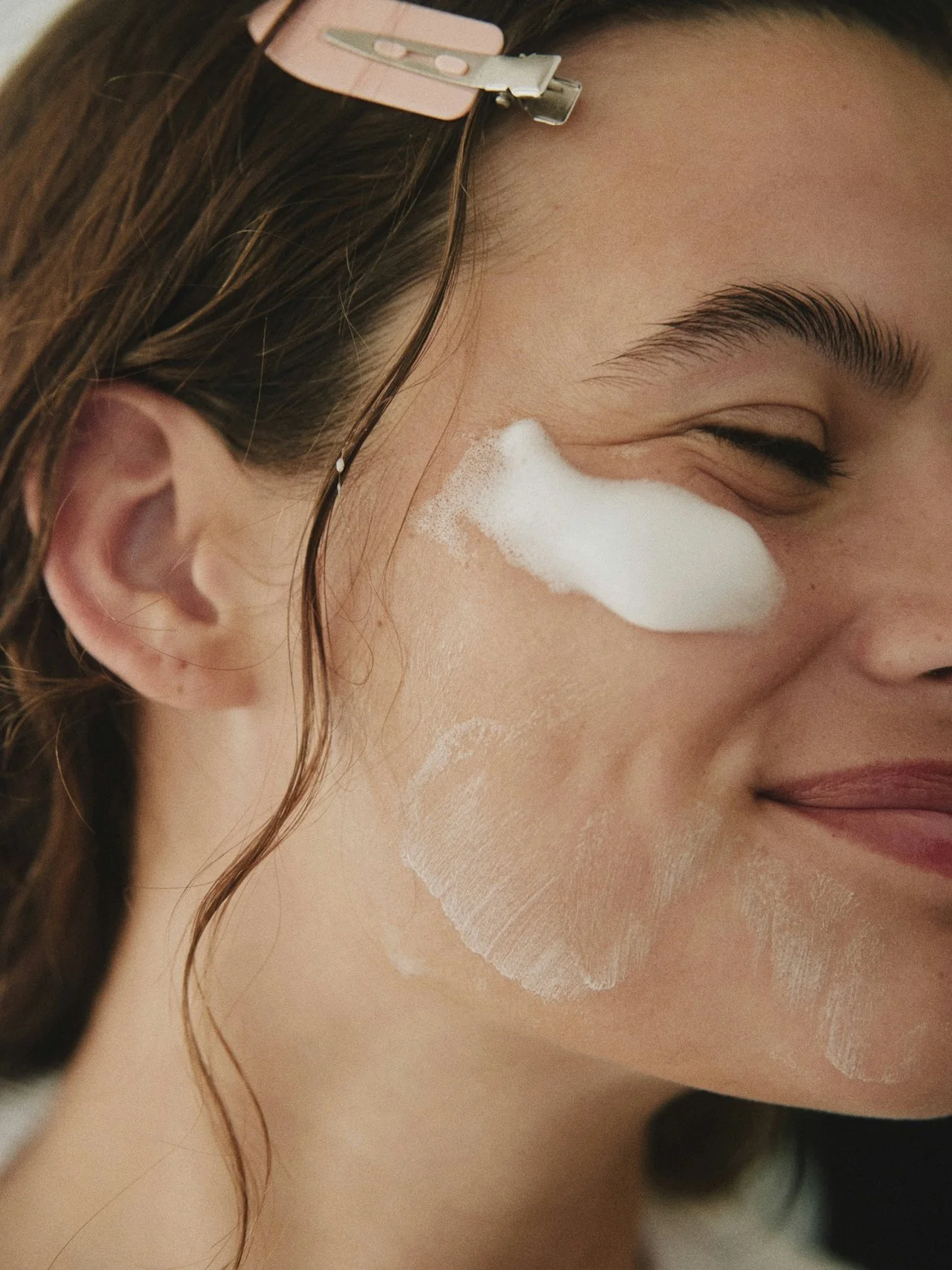
The Industry Needed New Customers
The anti-aging market has always been enormous, but it was built on a premise with a ceiling. You can only sell "anti-aging" to so many women in their fifties before the market plateaus. So the industry did what any industry does when growth slows: it moved the target younger.
In the last five years, products that were once marketed to women in their forties have become staples in the routines of women in their early twenties. Retinol, once associated with mature skin concerns, is now being recommended to college students. Eye cream commercials no longer feature women of a certain age. They feature women who don't have wrinkles yet. That's not an accident, it's a growth strategy.

"Preventative" Reframed Everything
The word that made all of this possible is preventative. Instead of selling a fix for something you have, the industry is now selling protection against something you don't have yet. Preventative Botox. Preventative retinol. Preventative collagen supplements. The logic sounds almost responsible until you follow it to its conclusion, which is that your face, at its current age, is already on a clock you should be worried about.
The "start early" messaging has become so normalized that it barely registers as unusual anymore. But it's worth pausing on: we are telling women in their early twenties that the smart move is to begin fighting the visible signs of aging before those signs exist. The industry calls this being proactive. Another word for it is manufacturing urgency.
TikTok Did What No Ad Campaign Could
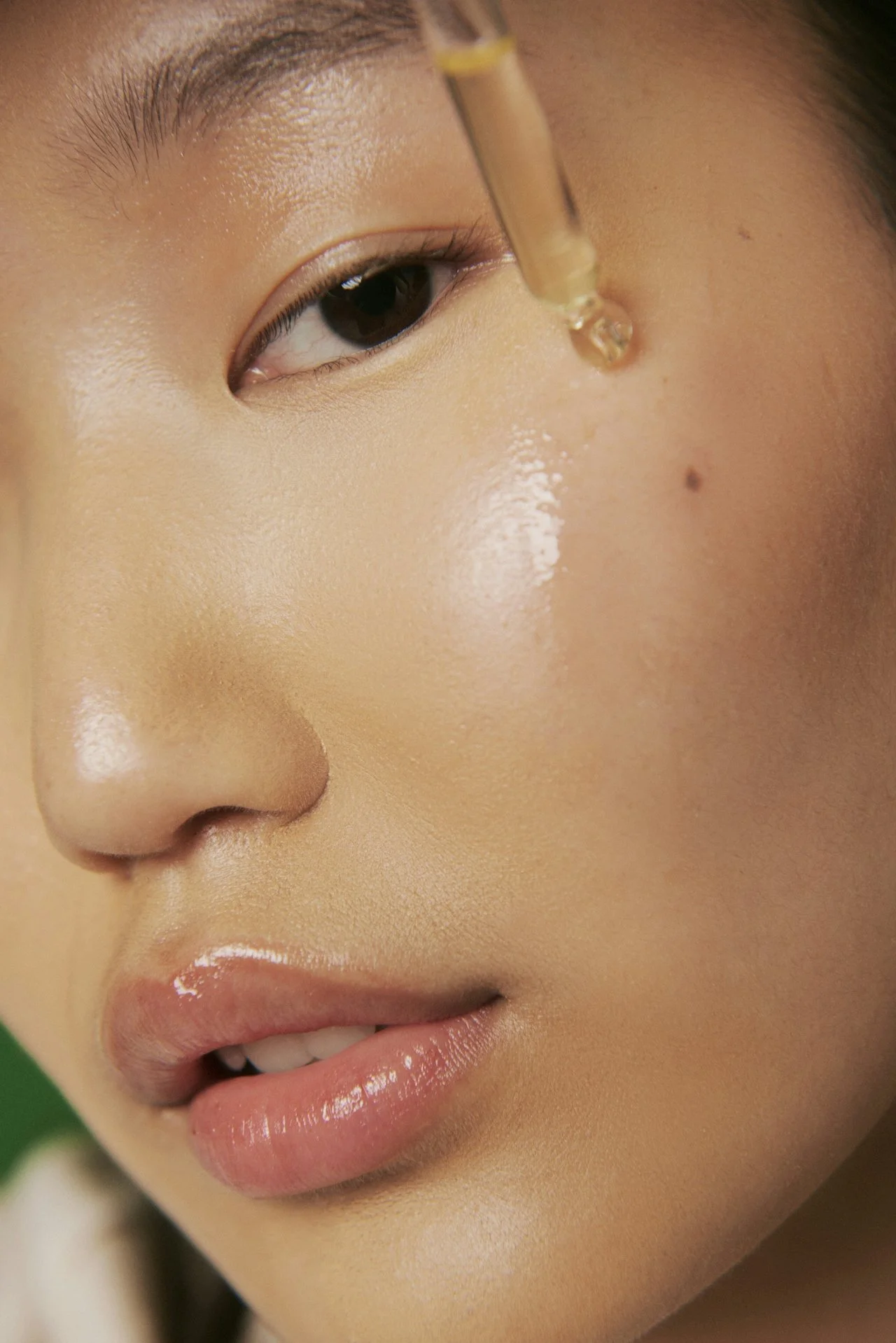
No marketing budget could have done what skincare TikTok did for anti-aging. Suddenly, the most trusted voices weren't dermatologists or brand campaigns — they were 21-year-olds with ring lights and 10-step routines, telling their audiences what they use every night to stay looking young. The fact that they already looked young was somewhat beside the point.
Skincare TikTok created a specific kind of social pressure: not just the pressure to look good, but the pressure to be actively working on your appearance at all times, starting early, and doing it visibly. It made elaborate preventative routines feel like self-discipline. And it handed beauty brands a distribution channel that felt like a friend giving advice, which is the most effective kind of advertising there is.
What Are We Actually Preventing?
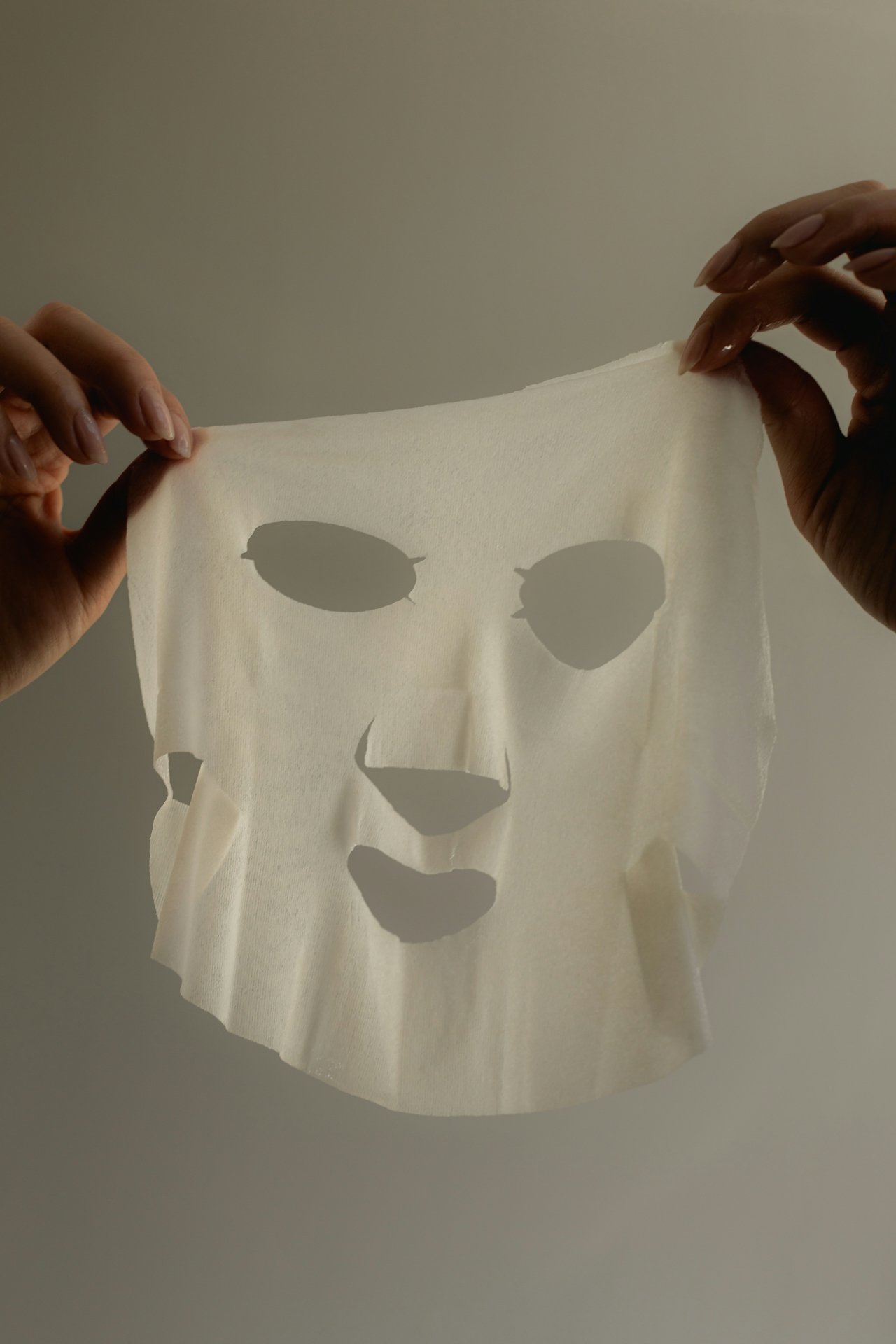
Here's the question the industry doesn't want you sitting with too long: what, exactly, are we preventing? Aging is not a condition. The lines that appear when you smile, the texture that develops over time, the way a face changes as the person inside it changes, that’s not damage. That is just being alive in a body.
The cultural decision to treat normal aging as something to be aggressively managed from your mid-twenties onward says less about skincare science and more about how we collectively feel about women getting older. The industry didn't invent the fear. But it has gotten very good at selling solutions to it, and at finding younger women to sell those solutions to.
You're Allowed to Just Have a Face
None of this means skincare is bad. SPF is non-negotiable. A good moisturizer is a reasonable life choice. The issue isn't the products, it's the framing. There's a meaningful difference between caring for your skin because it feels good and caring for your skin because you've been convinced your face is already a problem that needs managing.
The anti-aging industry will keep expanding its target demographic because that's what industries do when they find a fear that converts. The more useful question is whether you want to buy into the timeline it's selling, or whether you'd rather just live in your face for a while.
What To Wear During Your Skincare Routine