
By Kathryn Sohm
The Handbag as Protest Archive.
Fashion accessories have long functioned as quiet witnesses to social movements. Unlike grand speeches or historic legislation, accessories operate at the human scale. They sit on bodies, pass through crowds, and move through daily life. For women especially, everyday fashion items have often become unexpected emblems of political participation and resistance.
From Sashes to Leather Jackets: When Style Signals Belief
How Movements Dress Themselves
The suffragette sash is one of the earliest examples of fashion operating as both uniform and message. Worn diagonally across the body, it borrowed the visual authority of military regalia while remaining socially legible within early twentieth-century women’s fashion. The colors, typically in purple, white, and green, communicated unity without requiring words. It was wearable messaging before hashtags existed.
Decades later, the Black Panther Party adopted a very different accessory language. Black leather jackets, berets, and sunglasses formed a visual system of strength, discipline, and defiance. These items were much more strategic than purely ornamental. The jacket, durable and imposing, rejected respectability politics and reframed Black identity through power and self-determination.
The suffragette sash and the Black Panther uniform reveal how fashion trends emerge from necessity and intention. Accessories become symbols when they are repeated, recognized, and rooted in collective experience. These pieces show us how style can offer visibility without explanation. You didn’t need to ask what the sash or jacket meant; the message had already entered the public imagination.
In contrast to the severity of leather jackets or structured sashes, the pussyhat of the late 2010s introduced softness into the visual language of protest. Pink, knitted, and handmade, it leaned into traditionally feminine aesthetics while occupying public space unapologetically.
The hat’s power lay in repetition. One hat could be dismissed, but thousands couldn’t. Social media amplified the image, turning the accessory into a global symbol almost overnight. It demonstrated how modern movements use fashion to communicate values and create visual mass.
For a younger generation raised online, this moment clarified how accessories function in the digital age. A single item can exist simultaneously as clothing, meme, political shorthand, and historical artifact. The pussyhat was worn, photographed, shared, critiqued, and archived in real time.
This evolution mirrors broader fashion trends where meaning is increasingly layered through context. What you wear, where you wear it, and how it circulates all matter.
The Most Iconic Movement-Made Symbols
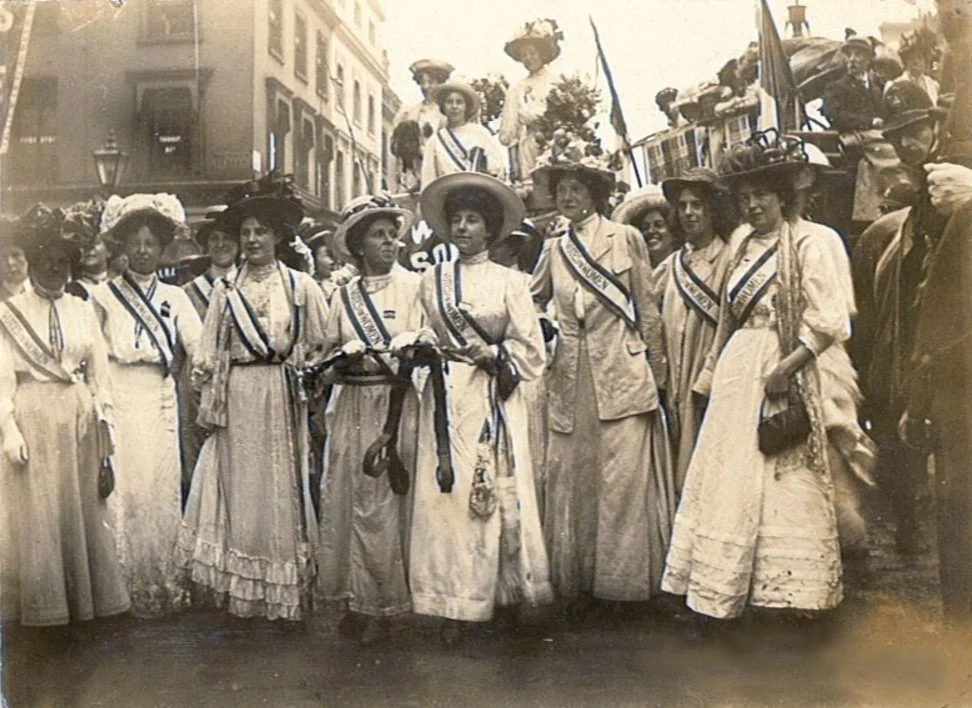
Suffragette Sashes (Early 1900s)
Elegant and intentional, these accessories merged fashion with political visibility, allowing women to occupy public space while communicating solidarity.
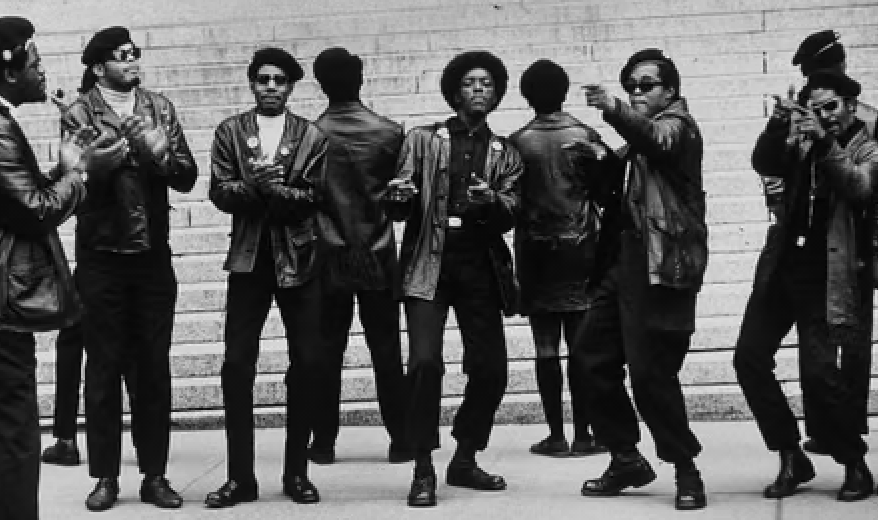
Black Panther Leather Jackets (1960s-1970s)
Structured, uniform, and confrontational, these jackets redefined how power could look and be worn.
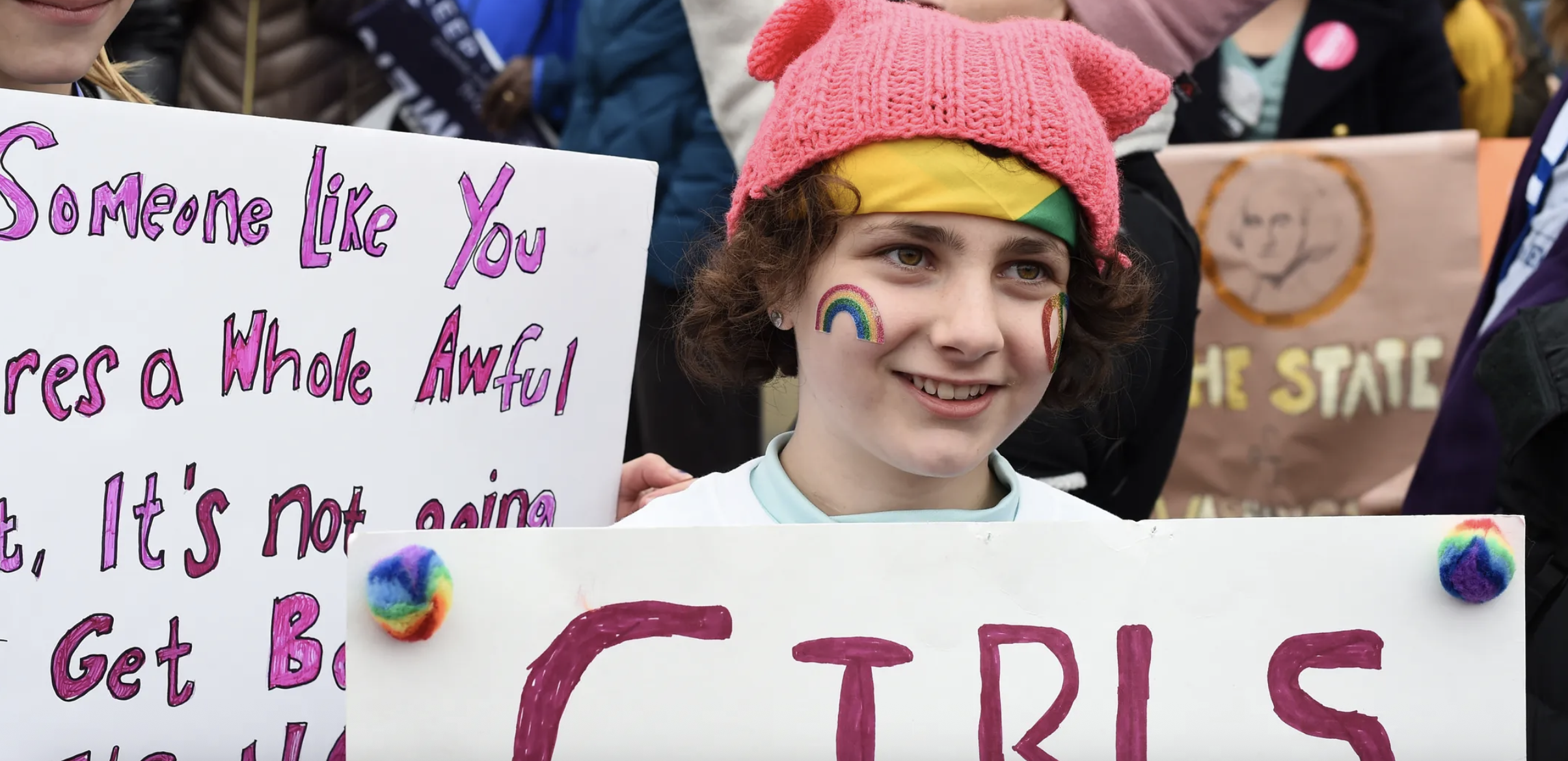
Knitted Protest Hats (2010s)
Soft materials paired with sharp messaging showed how femininity and resistance could coexist visually.
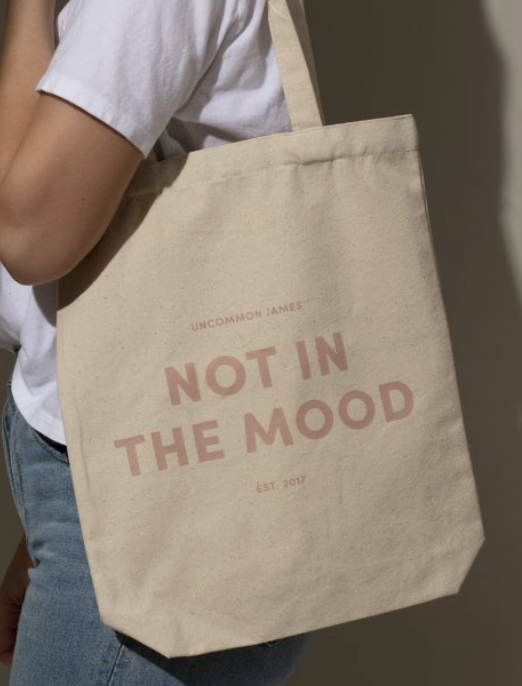
Statement Totes (Modern Day)
Often thrifted or handmade, tote bags function as portable billboards, blending sustainable fashion with personal ideology.
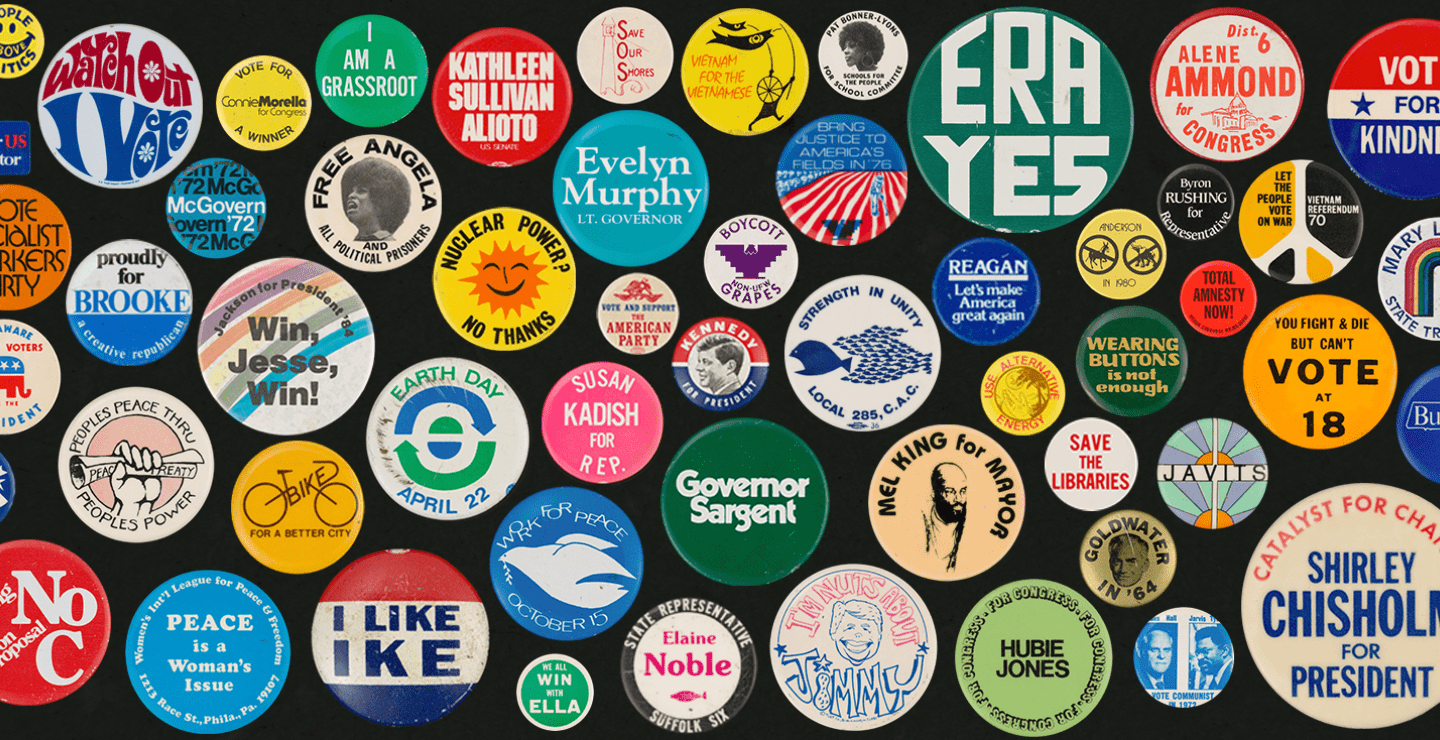
Pins and Buttons (Across Decades)
Small but potent, these accessories distill complex ideas into symbols that travel easily and speak quietly.
What We Carry Forward
Accessories endure because they are close to the body. They are chosen daily, often unconsciously, and seen by others before words are exchanged. For teenage girls and college students navigating identity, fashion trends, and cultural awareness, accessories offer a low-barrier entry into expression. They ask questions without demanding answers. They allow participation without perfection. They remind us that history is not only written in textbooks, but worn, carried, and passed down.
Fashion does not shout. It accumulates. And sometimes, the smallest object becomes the clearest record of who we were trying to be.