
Is Working From Home Worth Less Money?
The new math behind work life balance…
Would you accept a lower salary if it meant you could work from home? Thanks to a viral TikTok moment and an increasingly loud comment section, that question has officially become a cultural debate.
In the clip, influencer Tinx reacted to a hypothetical choice between a fully remote role paying $120,000 and an in-office job offering $240,000. Her response sparked millions of views and thousands of comments, many of them sharply divided. Some insisted that no amount of flexibility could justify leaving six figures on the table. Others argued just as strongly that the office really is that bad.
What the debate revealed isn’t indecision, it’s exhaustion.
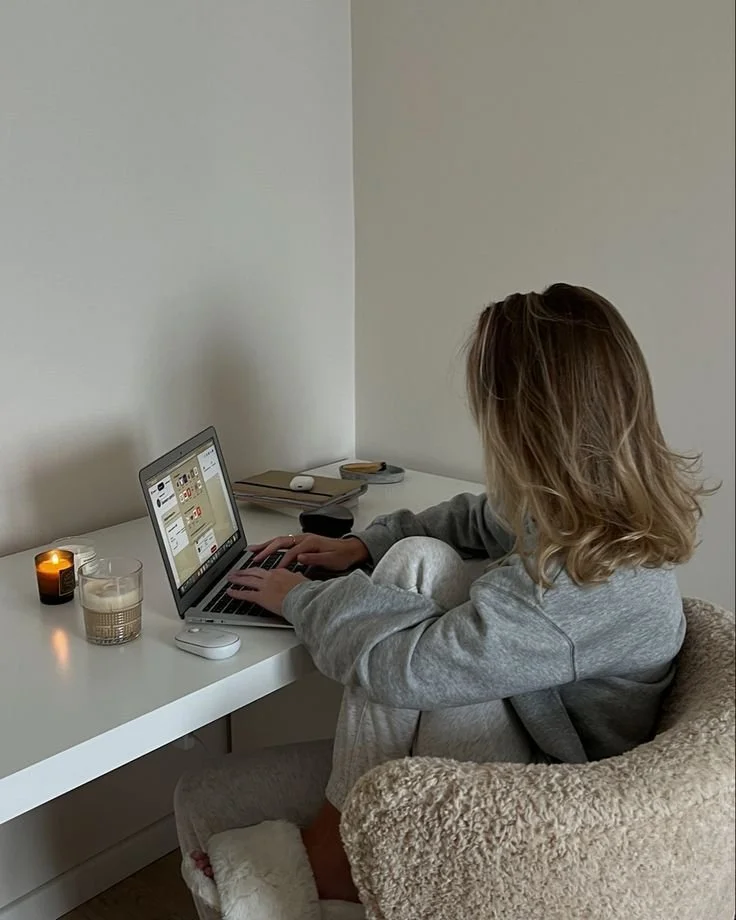
More Than a Paycheck
Over the past year, conversations around work have shifted from ambition to sustainability.
Employees across industries are re-evaluating how much of their lives they are willing to trade for a paycheck. According to a Headway survey, 56 percent of people say working from home has improved their work-life balance, a concept that once felt aspirational but now feels essential.

The Rise of Lifestyle-First Careers
Trends like conscious unbossing and career minimalism reflect a growing realization that success doesn’t have to mean constant visibility, long commutes, or being available at all hours. For many workers, autonomy has become as valuable as traditional benefits like bonuses or promotions.
That doesn’t mean money suddenly doesn’t matter. In an economy where rent, groceries, and healthcare costs continue to climb, turning down a higher salary is a serious decision, especially for people supporting families or paying off debt. Financial security still carries weight, and for some, a larger paycheck offers peace of mind that flexibility alone can’t replace.

Time Is the New Currency
But lifestyle priorities play a larger role than ever. Time spent commuting is increasingly viewed as time lost. Flexibility can mean better focus, fewer interruptions, and the ability to build a day around life instead of the other way around.
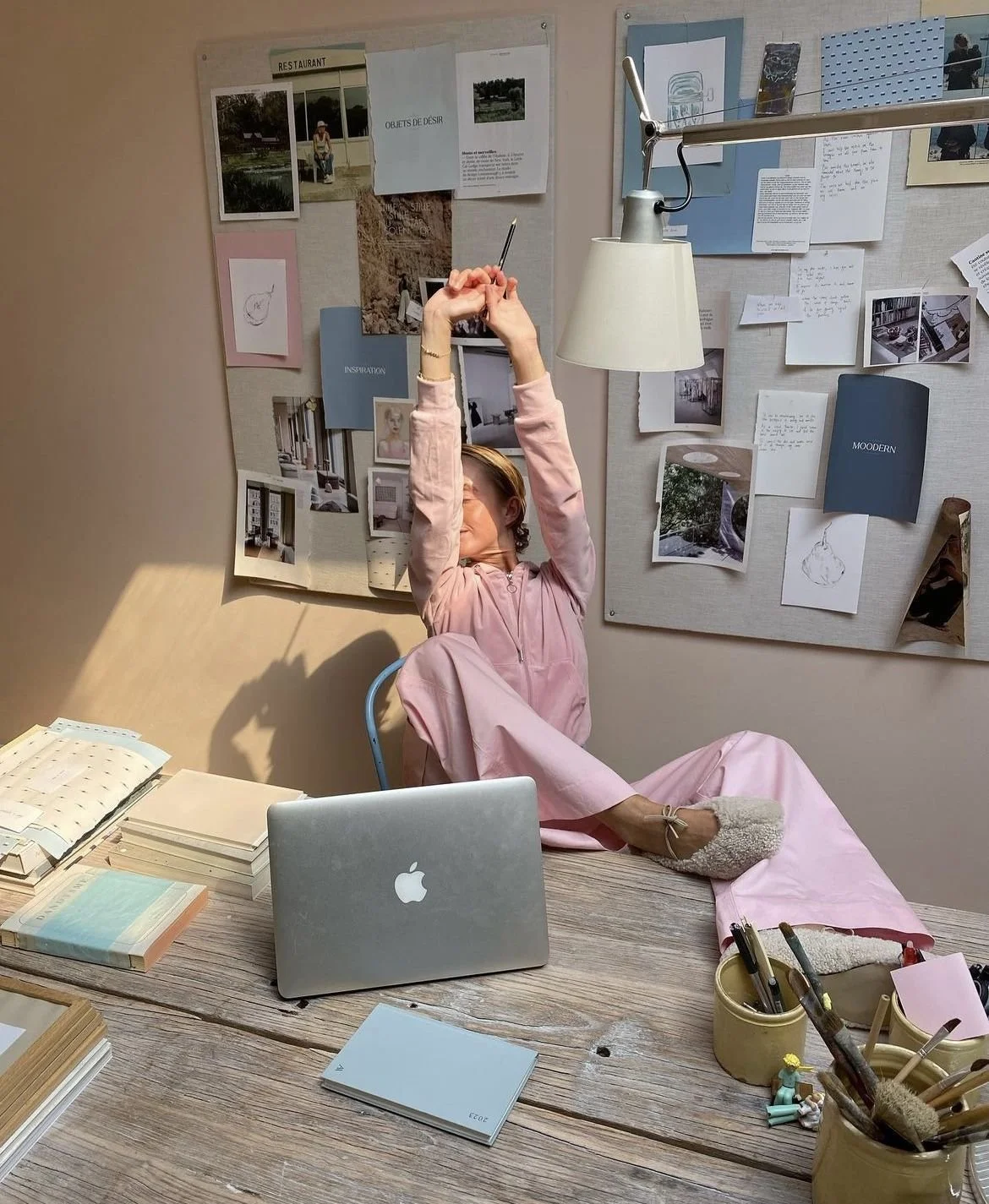
Choosing What Feels Priceless
Both options come with tradeoffs. Office jobs may ease financial pressure but leave little room for personal time. Remote roles may offer freedom and productivity but require tighter budgeting and clearer boundaries at home. The real question isn’t which choice is right, it’s which one aligns with someone’s current season of life.
In the end, this debate isn’t about choosing money or flexibility. It’s about deciding what feels priceless. And for a growing number of workers, control over their time is no longer optional, t’s non-negotiable.