
Dry Brushing Demystified: Beauty Ritual or Legitimate Cellulite Solution?
Cellulite is one of those universal skin quirks that even the most dedicated wellness enthusiasts struggle to outsmart. From miracle creams to high-tech body sculpting, the hunt for smoother thighs and firmer hips is endless. And right in the middle of it all? Dry brushing. A method that’s as old as ancient Ayurveda but is currently making waves across Instagram, spa menus, and #selfcarerituals. But what is dry brushing, really? Is it a feel-good habit with real benefits, or just another trend that’s all fluff and no function? Let’s strip it down.
What Actually Is Dry Brushing?
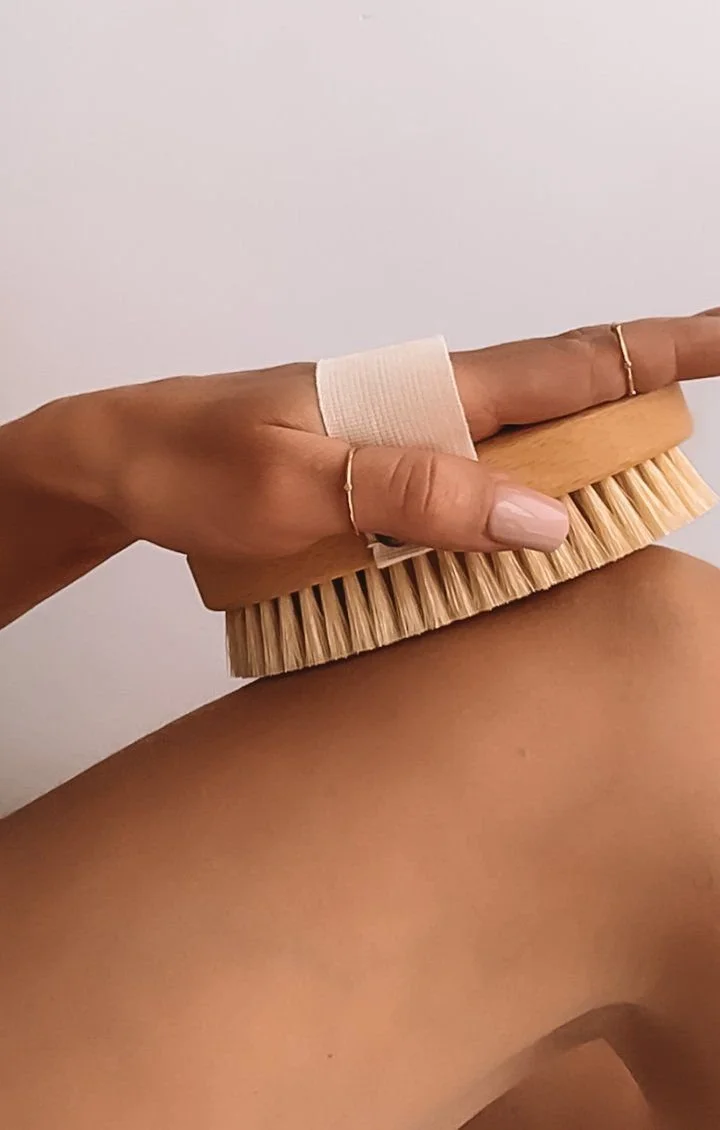
Dry brushing is exactly what it sounds like: brushing your dry skin with a firm-bristled brush in sweeping, upward motions—usually before showering. The technique claims to stimulate circulation, exfoliate dead skin cells, encourage lymphatic drainage, and yes, reduce the appearance of cellulite.
It's often performed with a natural-bristle brush—either handheld or with a long handle for reaching the back and legs. The whole process takes about five to ten minutes, but it has become something of a ritual: slow, rhythmic, meditative. A kind of self-massage that feels both primal and oddly satisfying.
The Cellulite Controversy: Hype or Help?
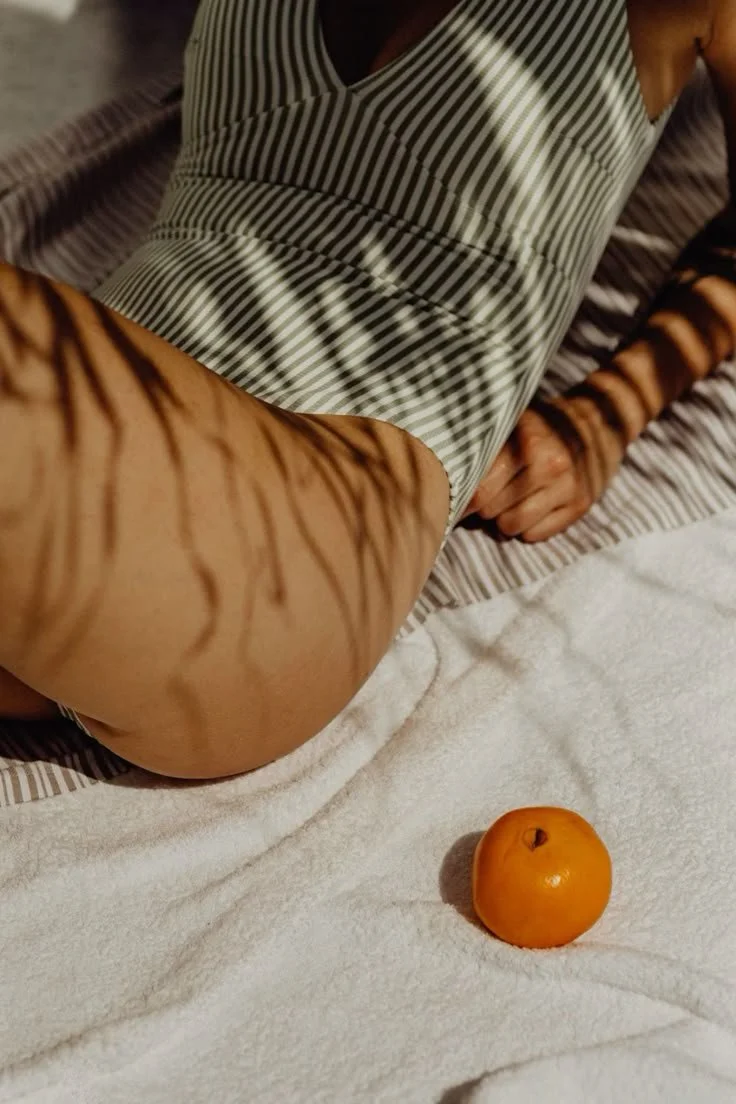
Here’s the truth: dry brushing does not melt fat or magically erase cellulite. Cellulite is a complex cocktail of fat cells, collagen fibers, genetics, hormones, and connective tissue. Brushing your skin, no matter how vigorously, won’t permanently change its structure.
However, where dry brushing does shine is in the short-term visual payoff. Increased blood flow gives the skin a temporary plumpness. The exfoliation reveals a smoother surface. The massage helps reduce fluid retention. All of this can visibly reduce the appearance of dimples and bumps—for a little while. Think of it like contouring for your legs: it won’t last, but it looks good for the day.
For those who’ve considered liposuction to target stubborn cellulite, dry brushing is a radically less invasive alternative to explore first. While it won’t offer permanent fat removal like liposuction, it can help with skin texture, tone, and a general sense of wellness that shouldn’t be underestimated.
Is There Science Behind It?
There is some merit to the lymphatic drainage theory. Your lymphatic system doesn’t have a pump like your heart does, it relies on movement to keep fluids circulating. Dry brushing may help stimulate that movement, especially in the legs and arms, where stagnation often occurs. But scientific studies on its long-term effects are limited, and most benefits remain anecdotal.
That said, not everything needs to be double-blind tested to be beneficial. If you feel more alive, your skin looks brighter, and you carry yourself with more confidence after dry brushing.
Should You Try It?
Absolutely, if it fits your lifestyle. Dry brushing is low-cost, low-risk, and requires no chemicals, appointments, or equipment beyond a brush. The key is consistency and realism. Use it to complement your skincare or body goals, not as a miracle solution.
Your best results will come from pairing dry brushing with hydration, a balanced diet, strength training, and, if needed, professional treatments. But as a tactile, grounding ritual? It has surprising value in helping you feel more connected to your body. Because sometimes, the smallest daily rituals bring the biggest shifts, in skin and in self.