Brands Are Spending $44 Billion on Creators This Year Instead of celebrities
The industry quietly moving billions away from celebrity endorsements and instead, toward people with cameras and actual opinions.
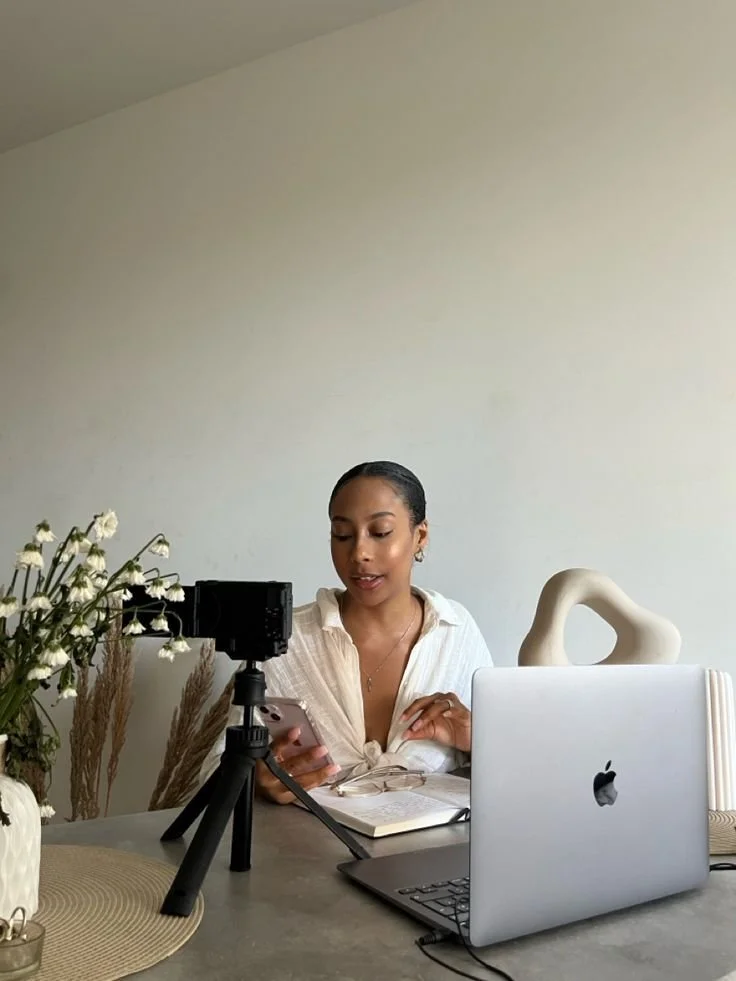
There is a very specific kind of chaos happening inside talent agencies right now, and it mostly involves people in expensive offices trying to figure out how to sign someone who films themselves in their car. CAA is building out its creator roster. UTA's co-head of creators recently declared that 2026 is the year the creator economy has "arrived." Private equity firms are rolling up boutique influencer agencies into what they're calling "scaled media ecosystems," which is a very serious phrase for what is essentially betting large amounts of money on people with WiFi and opinions. The creator economy is no longer a side conversation. It is the conversation, and the agencies that figured that out early are already winning.
The Land Grab Nobody Saw Coming
The traditional talent agency model was built for a very specific kind of talent: actors, musicians, athletes. People who needed studio deals and endorsement contracts and someone to take 10 to 15 percent of the things other people paid them to do. For a long time, creators didn't fit that mold cleanly enough to matter. Then the money got too big to ignore.
Creator content advertising is now projected to hit $44 billion in 2026, up 18 percent from $37.1 billion the year before, and it's growing four times faster than the broader media industry. That growth has triggered a land grab. CAA brought in Brent Weinstein, a former UTA executive, specifically to build out its creator division. Firms like Reign Maker Talent and Underscore Talent were built from the ground up for creators, offering not just brand deal negotiation but business strategy, Hollywood introductions, and long-term career architecture. The Digital Dept., now part of Dolphin Entertainment, represents over 250 creator clients. The message being sent across the industry is clear: if you are not in the creator space by now, you are behind.
The Numbers That Changed Everything
The reason brands are paying attention has very little to do with trends and everything to do with return on investment. For every dollar spent on influencer marketing, brands are earning an average of $5.78 back, with top-performing campaigns returning $18 to $20 per dollar. For context, that is not a number that traditional advertising produces. Print and linear television certainly aren't producing it, which is likely why 60 percent of brand leaders are currently cutting their print budgets and 50 percent are reducing TV spend. The money has to go somewhere, and it's going to creators.
What's particularly interesting is where inside the creator world that money is landing. Nearly half of all influencer marketing spend, 45.5 percent, is now directed at micro and nano creators, meaning people with followings between 1,000 and 100,000. Not celebrities. Not macro influencers with millions of followers. The people brands are quietly betting on are the ones with smaller, more specific, more trusting audiences. Almost three-quarters of agency leaders now believe that niche creators will outperform celebrities in brand partnerships in the coming year. That's a significant statement from people whose entire industry was built on celebrity.

The Celebrity Question
So are creators actually replacing celebrities? The honest answer is: not entirely, but more than anyone expected, and the gap is closing faster than the celebrity side of the industry would like to admit.
Celebrity deals still exist and still make sense for certain kinds of brand moments, launches, Super Bowl campaigns, things that need cultural weight behind them immediately. But the performance data keeps pointing in the same direction. Micro-influencer campaigns commonly deliver five to eight times ROI. Macro campaigns, the kind that involve a name you recognize, tend to land in the three to five times range. When a brand has to choose between paying a celebrity a flat fee for a post that performs at 3x and paying a creator a fraction of that for a campaign that performs at 7x, the math isn't complicated. By 2026, 53 percent of influencer arrangements are performance-based, up from just 23 percent two years ago. Brands are not paying for fame anymore. They're paying for results.
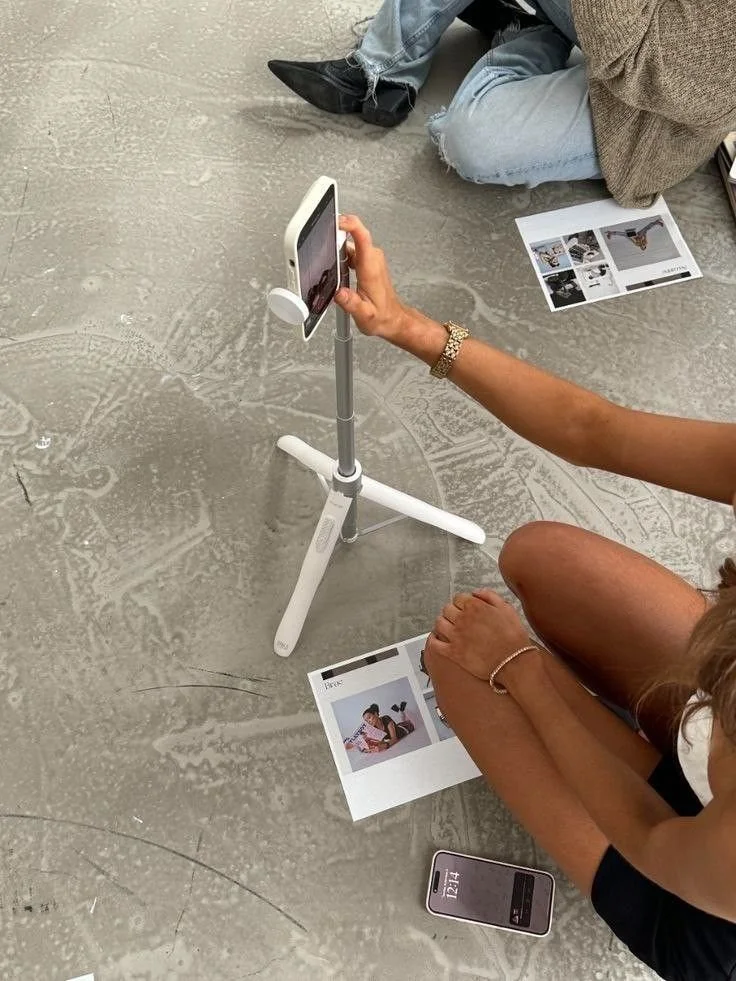
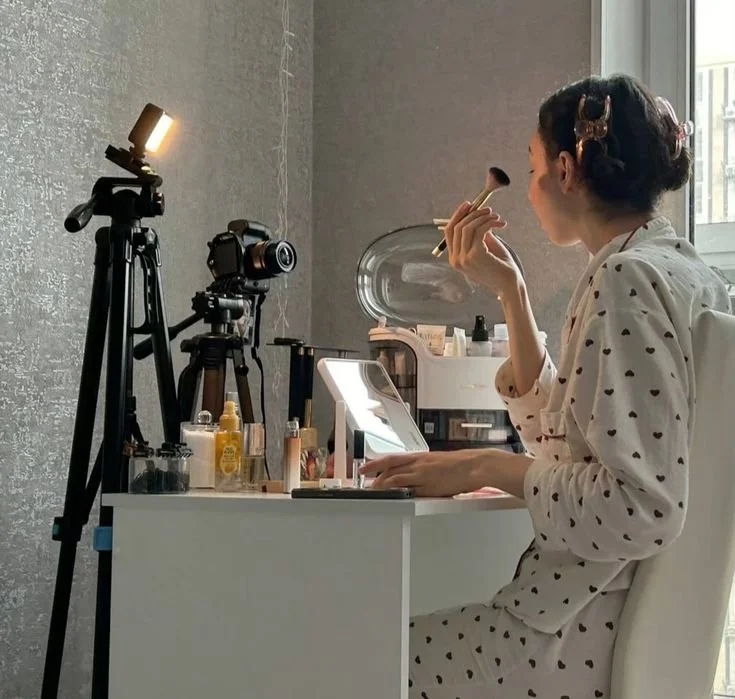
Image via Pinterest.
What This Means If You Have a Following
Here is the part of this conversation that matters most if you are a creator reading this, at any following size. The infrastructure that used to exist only for celebrities is being rebuilt around creators, and it's being rebuilt specifically because the audience trust that creators have built is something that cannot be manufactured. A celebrity partnership feels like an ad. A creator recommendation feels like advice from someone you know. That difference is worth billions of dollars annually, and the agencies, the brands, and the private equity firms all know it.
If you have 5,000 followers and a highly engaged niche audience, you are more valuable to certain brands right now than someone with 2 million disengaged ones. If you have been operating without representation, that calculation is worth sitting with. Creator specific talent agencies are no longer a novelty, they're a legitimate career infrastructure option, and the ones doing it well are offering far more than brand deal negotiation. They're offering business development, cross-platform strategy, and long-term positioning in an industry that is very much still being built.
The Longer Game
What's most telling about this moment isn't the dollar figures, it's the seriousness with which an industry that spent decades dismissing creators is now restructuring itself around them. When CAA starts competing for the same clients as a boutique creator agency, something has fundamentally shifted. When private equity firms start acquiring influencer management companies and calling them media ecosystems, the era of the creator as an afterthought is officially over.
The creator economy has arrived, as UTA put it. The question now isn't whether brands will keep betting on creators. It's whether creators, at every level, are ready to negotiate like they know what they're worth.
What To Wear While You Create